Photography
Pre-Wedding Photography Guide: How to Plan a Memorable Couple Shoot
A complete guide to planning a memorable pre-wedding couple shoot, including photography style, locations, outfits, poses, timing, personal elements, weather preparation, and photography packages.
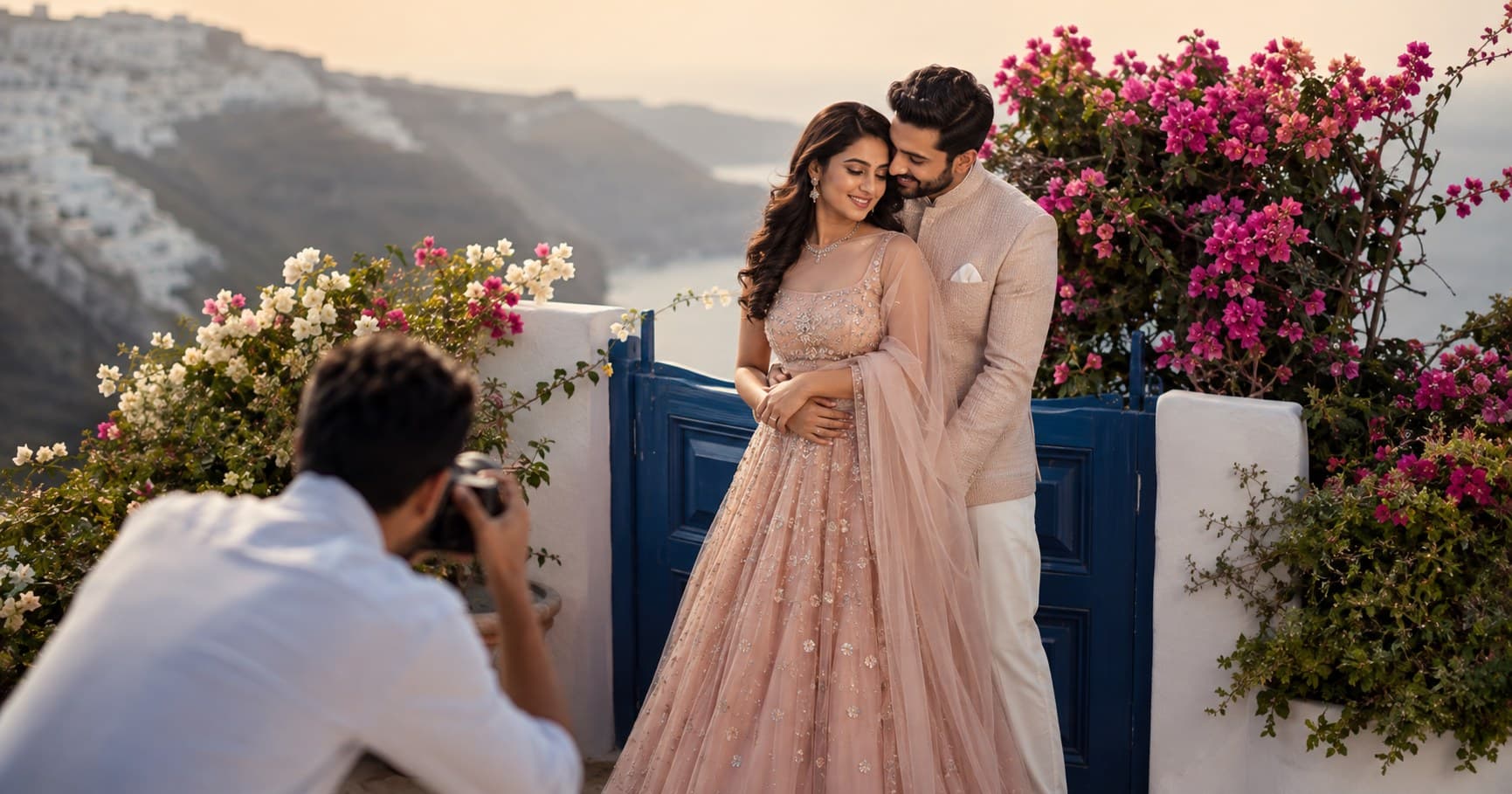
Introduction
A pre-wedding photography session is a wonderful opportunity for couples to capture their personalities, relationship, and excitement before the wedding day.
Unlike the wedding itself, a pre-wedding shoot usually gives couples more freedom to choose locations, outfits, themes, poses, and the overall style of their photographs.
With thoughtful planning, the shoot can become more than just a collection of photographs. It can create meaningful memories and provide beautiful images that can also be used for wedding invitations, digital announcements, displays, and social media.
Why Pre-Wedding Photography Matters
Wedding days can be busy and filled with ceremonies, guests, and scheduled activities.
A pre-wedding shoot gives couples dedicated time to relax, interact naturally, and create photographs without the pressure of the wedding-day schedule.
It can help couples:
Capture natural moments together
Experiment with different photography styles
Choose outfits that reflect their personalities
Create photographs for wedding-related materials
Become comfortable in front of the camera
Build a collection of meaningful memories
1. Decide the Style of Your Couple Shoot
Start by deciding what kind of photographs you want.
Popular approaches can include:
Romantic photography
Candid photography
Traditional photography
Editorial-style photography
Casual couple photography
Story-based photography
Minimal and elegant photography
Choose a style that feels natural to both of you rather than selecting a trend simply because it is popular.
2. Choose a Meaningful Location
The location can have a major influence on the overall appearance of your photographs.
When choosing a location, consider:
Your preferred photography style
Background and surroundings
Lighting conditions
Privacy
Accessibility
Travel time
Rules or permissions
Weather conditions
A meaningful location can make the photographs feel more personal and connected to your relationship.
3. Plan a Simple Story for the Shoot
Instead of taking random photographs, think about the story you want the shoot to tell.
For example, you could structure the session around:
Meeting and walking together
Casual conversations
Exploring the surroundings
Romantic portraits
Fun candid moments
A final couple portrait
A simple story can help the photographer create photographs that feel connected rather than repetitive.
4. Select Outfits Carefully
Outfits should complement both the location and the photography style.
Consider preparing two or three different looks, such as:
Traditional outfits
Elegant formal outfits
Smart casual clothing
Comfortable everyday looks
Choose colors that work well together without making both outfits look identical.
Comfort is also important because uncomfortable clothing can make movement and natural expressions more difficult.
5. Discuss Your Ideas with the Photographer
Before the shoot, talk openly with your photographer about your expectations.
Share:
Preferred photography style
Favorite poses
Location ideas
Outfit choices
Important personal details
Reference photographs
Types of photographs you want
This conversation helps the photographer understand your expectations and plan the session accordingly.
6. Choose the Right Time for Photography
Lighting can strongly influence the final photographs.
Depending on your chosen location and style, you may prefer:
Early morning
Late afternoon
Golden-hour lighting
Evening photography with artificial lighting
Discuss the best timing with your photographer based on the location and the type of photographs you want.
7. Plan Natural Couple Poses
You do not need to pose perfectly in every photograph
Natural interaction often creates more authentic photographs
Try simple activities such as:
Walking together
Talking
Laughing
Looking at each other
Holding hands
Sitting together
Sharing a quiet moment
These simple actions can create genuine expressions and relaxed photographs.
8. Include Personal Elements
Adding personal details can make your photographs more meaningful.
You could include:
A favorite book
A musical instrument
A hobby
A meaningful accessory
A special outfit
A personal keepsake
An activity you enjoy together
Personal elements help make the shoot feel like your story rather than a collection of standard poses.
9. Prepare for the Weather and Location
Outdoor photography can be affected by changing conditions.
Before the shoot, check:
Weather forecast
Location conditions
Travel time
Available facilities
Backup location
Clothing requirements
Photography permissions
Having an alternative plan can reduce stress if the original arrangements change.
10. Keep the Schedule Comfortable
Avoid trying to visit too many locations in a single session.
Moving between multiple places can reduce the time available for photography and make the day tiring.
A comfortable schedule allows enough time for:
Changing outfits
Travelling
Setting up equipment
Exploring the location
Taking different types of photographs
Short breaks
Quality is generally more important than trying to capture everything in one day.
11. Focus on Genuine Expressions
The best couple photographs do not always come from perfect poses.
Try to relax and interact naturally with each other. Talk, laugh, walk, and enjoy the experience.
If you feel nervous in front of the camera, tell your photographer. They can guide you through simple movements and poses until you become more comfortable.
12. Capture Different Types of Photographs
A well-planned shoot should include variety.
Consider capturing:
Wide environmental photographs
Close-up portraits
Individual portraits
Couple portraits
Walking photographs
Candid interactions
Detail shots
Creative compositions
This gives you a more complete collection instead of many photographs that look almost identical.
13. Consider How You Will Use the Photographs
Think about where the photographs will be used after the shoot.
They can be useful for:
Digital wedding invitations
Wedding websites
Save-the-date announcements
Social media posts
Wedding displays
Photo albums
Reception decorations
Knowing how you plan to use the photographs can help you communicate specific requirements to your photographer.
14. Review the Photography Package
Before confirming your photographer, understand what is included in the package.
Check details such as:
Shoot duration
Number of locations
Number of outfit changes
Number of photographers
Edited photographs
Delivery format
Photo album options
Additional charges
Delivery timeline
Clear communication about the package helps avoid misunderstandings later.
15. Enjoy the Experience
The most important part of a pre-wedding shoot is enjoying the time together.
Do not worry about making every photograph perfect. Allow yourselves to talk, laugh, move naturally, and enjoy each other's company.
Those genuine moments can often become the most memorable photographs from the entire session.
Questions to Ask Before Your Pre-Wedding Shoot
What photography style suits our idea?
Which location would work best for our concept?
What time should we schedule the shoot?
How many outfits should we prepare?
How long will the session take?
How many photographs will be delivered?
Are edited photographs included?
Are additional locations or hours charged separately?
How long will delivery take?
Can we share reference photographs with the photographer?
Pre-Wedding Photography Checklist
Before the Shoot
Choose the photography style
Select the location
Confirm the photographer
Discuss your ideas
Plan outfits
Check the weather
Confirm timing
Prepare personal accessories
Discuss the photography package
☐ Plan a backup option if needed
On the Shoot Day
Carry required outfits and accessories
Arrive on time
Keep necessary personal items ready
Follow the photographer's guidance
Take breaks when needed
Capture both posed and candid photographs
Enjoy the experience together
After the Shoot
Confirm photograph delivery details
Review the edited photographs
Select photographs for albums
Choose images for invitations or announcements
Save backup copies of important photographs
Final Thoughts
A memorable pre-wedding photography session starts with thoughtful planning but does not need to be complicated.
Choose a style that reflects your relationship, select a suitable location, prepare comfortable outfits, communicate your ideas with the photographer, and leave enough room for natural moments.
Most importantly, enjoy the experience together. The photographs will preserve the memories, but the time you spend creating them is what makes the session truly special.
Planner Kart — Plan Better. Celebrate Beautifully.
Related Articles
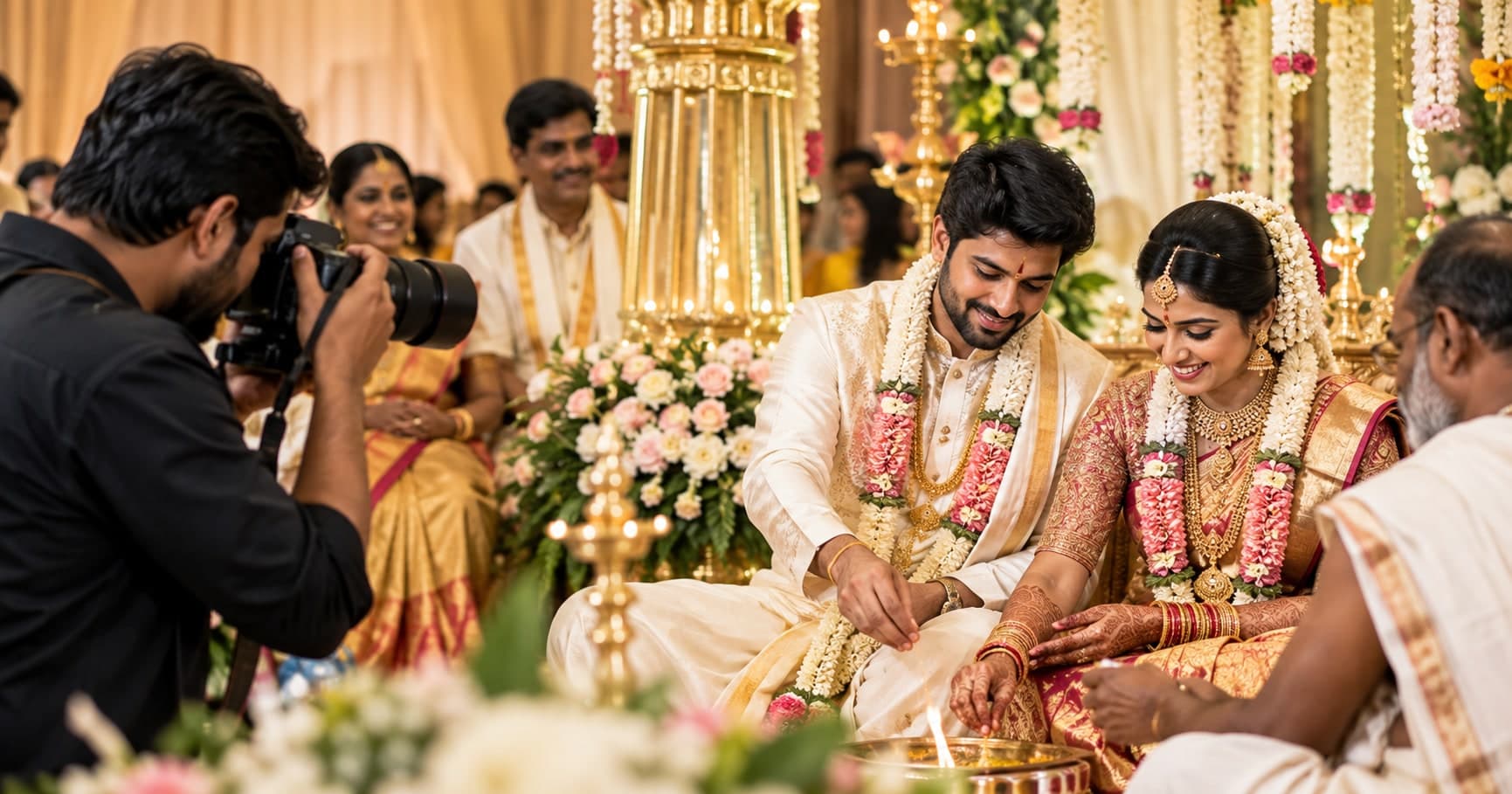
How to Choose the Right Wedding Photographer: A Complete Guide
Discover how to choose the right wedding photographer by comparing photography styles, portfolios, experience, packages, coverage, editing, delivery timelines and contracts.
By Ananya Krishnan
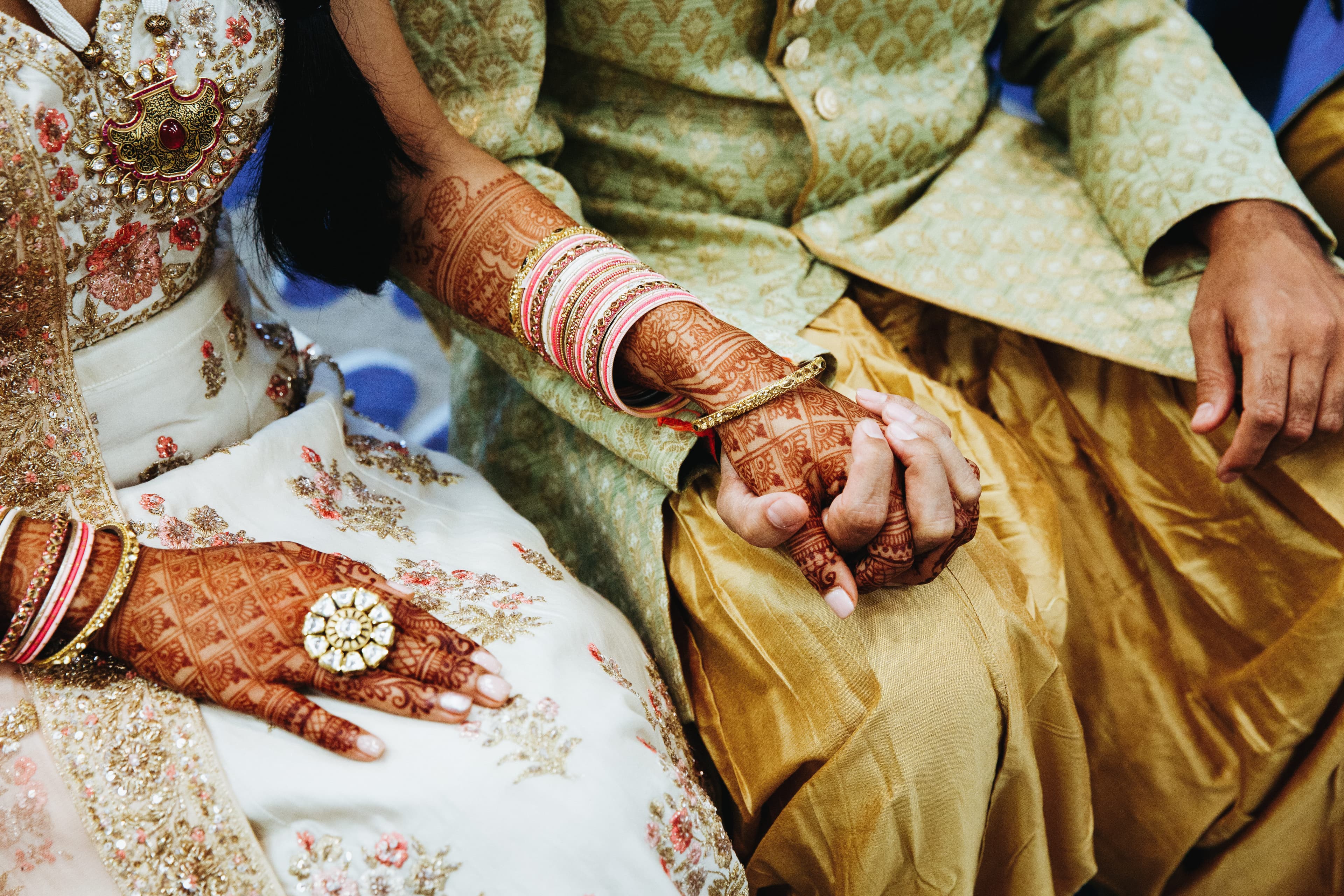 Featured
Candid vs cinematic: choosing your photography style
Review full albums, not highlight reels. Candid prioritises documentary moments; cinematic leans on directed sequences and colour grading. Align deliverables, second shooters, and turnaround before you sign.
By Rohan Mehta