Venues
Wedding Lighting and Sound Guide for a Memorable Celebration
Plan the right lighting and sound setup to create a beautiful, comfortable, and memorable wedding celebration.
Wedding Lighting and Sound Guide for a Memorable Celebration
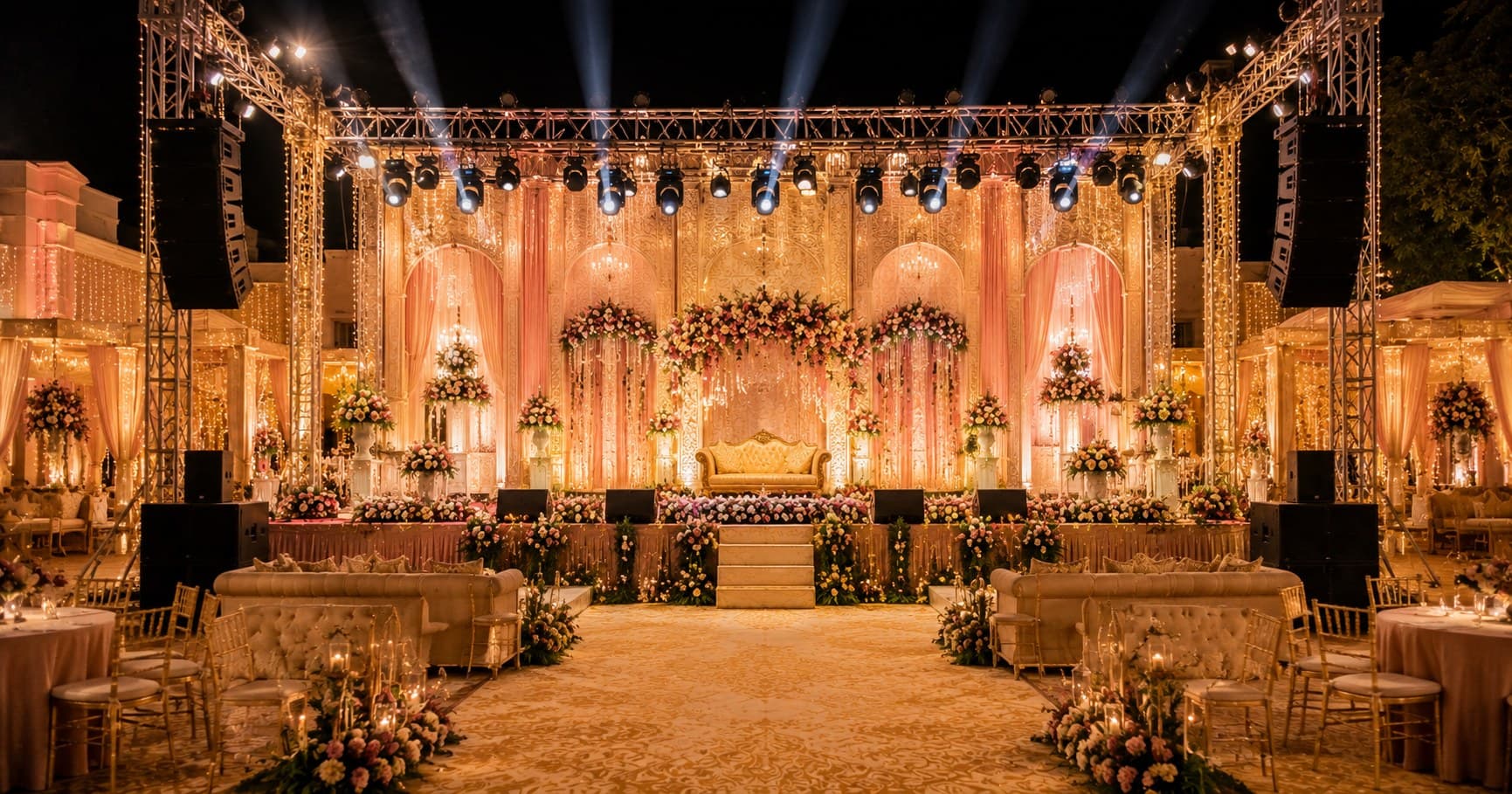
Lighting and sound play an important role in creating the right atmosphere at a wedding. Beautiful lighting can transform the venue, highlight important spaces, and create a warm visual experience, while a well-planned sound system ensures that music, announcements, speeches, and special moments can be heard clearly.
From the ceremony and stage to the reception and entertainment areas, choosing the right lighting and sound setup can make the celebration feel more organized, comfortable, and memorable.
Why Wedding Lighting and Sound Matter
Lighting and sound are not just technical details. They contribute directly to the overall atmosphere and guest experience.
A thoughtful setup can help:
Create the desired mood
Highlight the wedding stage
Improve visibility throughout the venue
Support photography and videography
Make music and announcements easier to hear
Create an engaging entertainment experience
Give different areas of the venue their own atmosphere
1. Understand Your Wedding Venue
Before selecting equipment, understand the venue where the celebration will take place.
Consider:
Indoor or outdoor setup
Venue size
Ceiling height
Stage location
Guest seating arrangement
Dining area
Dance or entertainment area
Power availability
Existing lighting and sound equipment
The venue layout will influence how many lights and speakers are needed and where they should be positioned.
2. Decide the Mood You Want to Create
Content:
Think about the atmosphere you want your celebration to have.
Elegant:
Soft and balanced lighting can create a sophisticated atmosphere.
Traditional:
Warm lighting can complement traditional decorations and wedding rituals.
Modern:
Contemporary lighting arrangements can give the venue a stylish appearance.
Festive:
Dynamic lighting can make entertainment and celebration areas feel more energetic.
Having a clear mood in mind makes it easier to select suitable lighting.
3. Choose the Right Wedding Lighting
Different types of lighting can be used for different purposes.
Some common options include:
Stage lighting
Decorative lighting
Ambient lighting
Spotlighting
Entrance lighting
Dance-floor lighting
LED walls
Floral and backdrop lighting
Each type serves a different purpose, so the setup should match the venue and celebration requirements.
4. Give Special Attention to the Wedding Stage
The stage is usually one of the most photographed areas of a wedding.
Lighting should help highlight:
Couple seating
Floral decorations
Backdrop
Stage details
Important ceremony elements
Avoid overly harsh lighting that makes the stage uncomfortable or creates unwanted shadows in photographs.
A balanced stage lighting arrangement can make the entire backdrop look more attractive.
5. Use Lighting to Highlight Important Areas
Lighting does not have to be limited to the stage.
You can use it to highlight:
Wedding entrance
Guest seating
Dining area
Photo areas
Decorative installations
Walkways
Entertainment space
Lighting important areas helps create a consistent visual experience throughout the venue.
6. Plan the Sound System According to the Venue
Sound requirements depend heavily on venue size and guest count.
A small indoor celebration may need a simpler setup, while a larger celebration may require a more powerful professional sound system.
Consider:
Number of guests
Venue size
Indoor or outdoor environment
Number of microphones
Music requirements
Speeches and announcements
Entertainment requirements
The goal is clear and comfortable sound rather than simply choosing the loudest system.
7. Choose Suitable Speakers
Speaker placement is important for maintaining consistent sound throughout the venue.
Depending on the celebration, the setup may include:
Main speakers
Additional speakers
Stage monitors
Subwoofers
Wireless audio equipment
Speakers should be positioned carefully so that sound reaches guests without becoming unnecessarily loud in particular areas.
8. Plan for Microphones
Microphones are essential for many wedding functions.
Depending on the event, you may need:
Wireless handheld microphones
Lavalier microphones
Headset microphones
Microphones for speeches
Microphones for performers
Backup microphones
Always keep backup equipment available for important moments such as speeches, announcements, and ceremonies.
9. Consider an LED Wall
An LED wall can add a modern visual element to a wedding celebration.
It can display:
Couple names
Photos
Wedding videos
Event graphics
Decorative visuals
Entertainment content
If you choose an LED wall, make sure its size and brightness are appropriate for the venue and stage design.
10. Coordinate Lighting with Photography and Videography
Lighting affects how wedding photographs and videos look.
Before the event, coordinate with the photography and videography teams regarding:
Stage lighting
Spotlight intensity
Colour changes
LED wall brightness
Important ceremony areas
Special entrances
The lighting should enhance the celebration while also allowing photographers and videographers to capture clear images.
11. Plan Sound for Different Wedding Functions
Different functions may have different sound requirements.
For a ceremony, the focus may be on clear announcements, rituals, and background music.
For a reception, you may need:
Speeches
Couple introductions
Background music
Performances
DJ or live music
Announcements
Review each function separately so the technical setup matches the program.
12. Think About Guest Comfort
Sound and lighting should enhance the celebration without becoming uncomfortable.
Avoid:
Excessively bright lights
Unnecessary flashing effects
Extremely loud music
Poorly positioned speakers
Dark walkways
Lighting that interferes with guest visibility
A comfortable environment allows guests to enjoy the celebration for longer.
13. Coordinate With the Entertainment Team
If the wedding includes a DJ, live singer, musicians, or wedding band, coordinate the lighting and sound setup with them in advance.
Discuss:
Equipment requirements
Stage space
Microphones
Speaker placement
Music transitions
Performance schedule
Power requirements
Good coordination helps prevent technical problems during performances.
14. Prepare Backup Equipment and Power
Technical equipment can sometimes experience unexpected problems.
Where appropriate, discuss backup arrangements for:
Microphones
Audio cables
Speakers
Lighting equipment
Power supply
Playback devices
Having a backup plan can help prevent a technical issue from interrupting an important moment.
Questions to Ask Before Finalizing Lighting and Sound
Before confirming your setup, consider:
What is the size of the venue?
Is the celebration indoors or outdoors?
What mood should the lighting create?
How should the wedding stage be illuminated?
How many speakers are required?
How many microphones are needed?
Will an LED wall be used?
Does the event include live performances?
Have lighting and sound been coordinated with photographers?
Is backup equipment available?
What are the venue's power requirements?
Who will manage the technical setup during the celebration?
Wedding Lighting and Sound Checklist
Review the venue layout
Decide the desired atmosphere
Select suitable lighting
Plan stage lighting
Highlight important venue areas
Determine sound requirements
Select suitable speakers
Arrange required microphones
Consider an LED wall if needed
Coordinate with photographers and videographers
Coordinate with entertainment teams
Plan lighting and sound for each function
Check power requirements
Arrange backup equipment where necessary
Confirm the complete setup before the event
Final Thoughts
Wedding lighting and sound can completely change how a celebration feels and how guests experience the event. From creating a beautiful stage to ensuring that every speech, song, and announcement can be heard clearly, the right setup brings both atmosphere and functionality together.
Plan the lighting and sound according to your venue, guest experience, celebration schedule, and entertainment requirements. With thoughtful coordination and reliable technical support, you can create an atmosphere that looks beautiful, sounds clear, and leaves guests with memorable moments.
Planner Kart — Plan Better. Celebrate Beautifully.
Related Articles
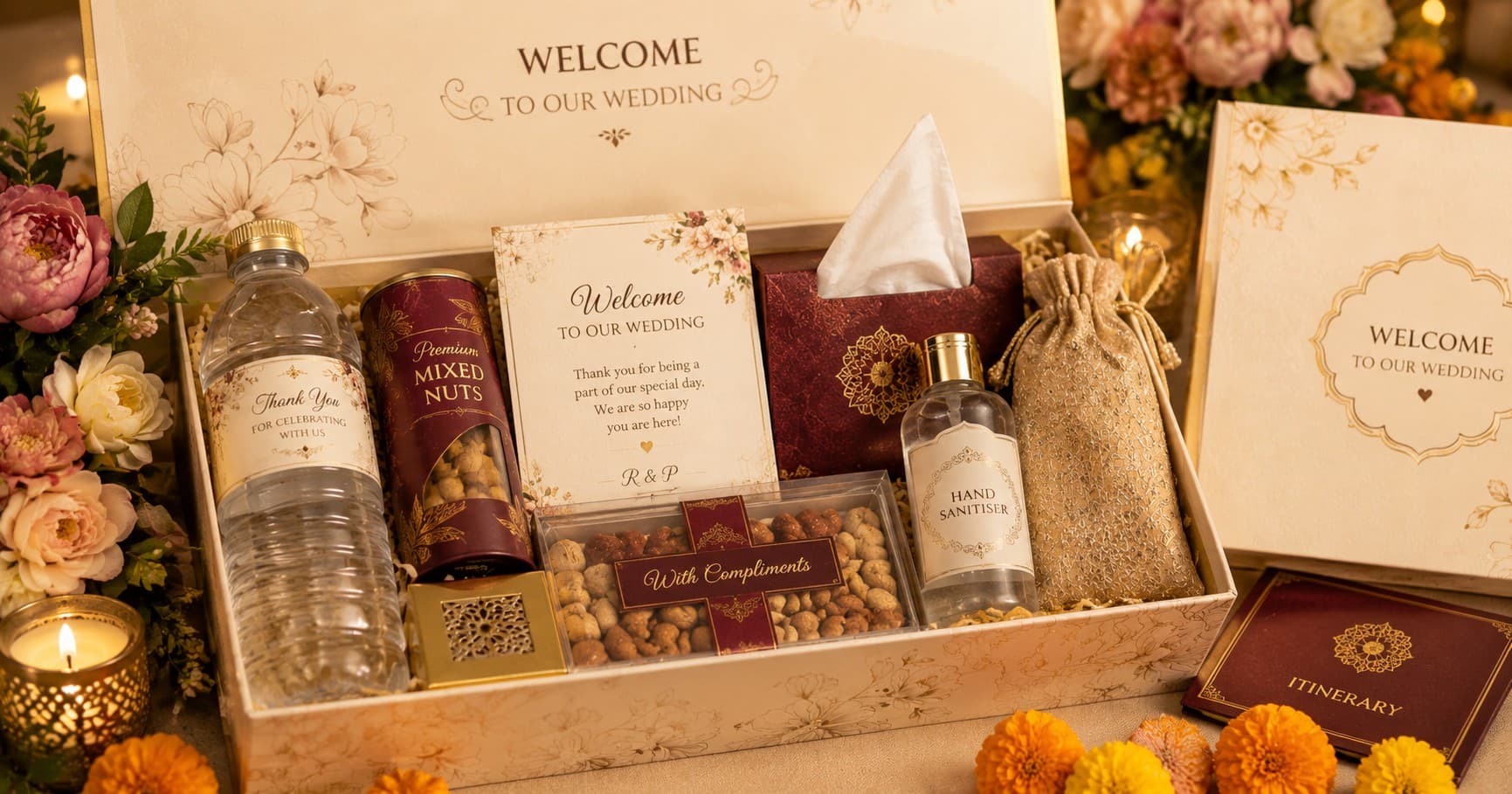
Wedding Welcome Kit Ideas to Make Your Guests Feel Special
A wedding welcome kit is a thoughtful way to make guests feel comfortable and appreciated from the moment they arrive. It can combine useful essentials, personalized touches and details that reflect the celebration.
By Ananya Krishnan
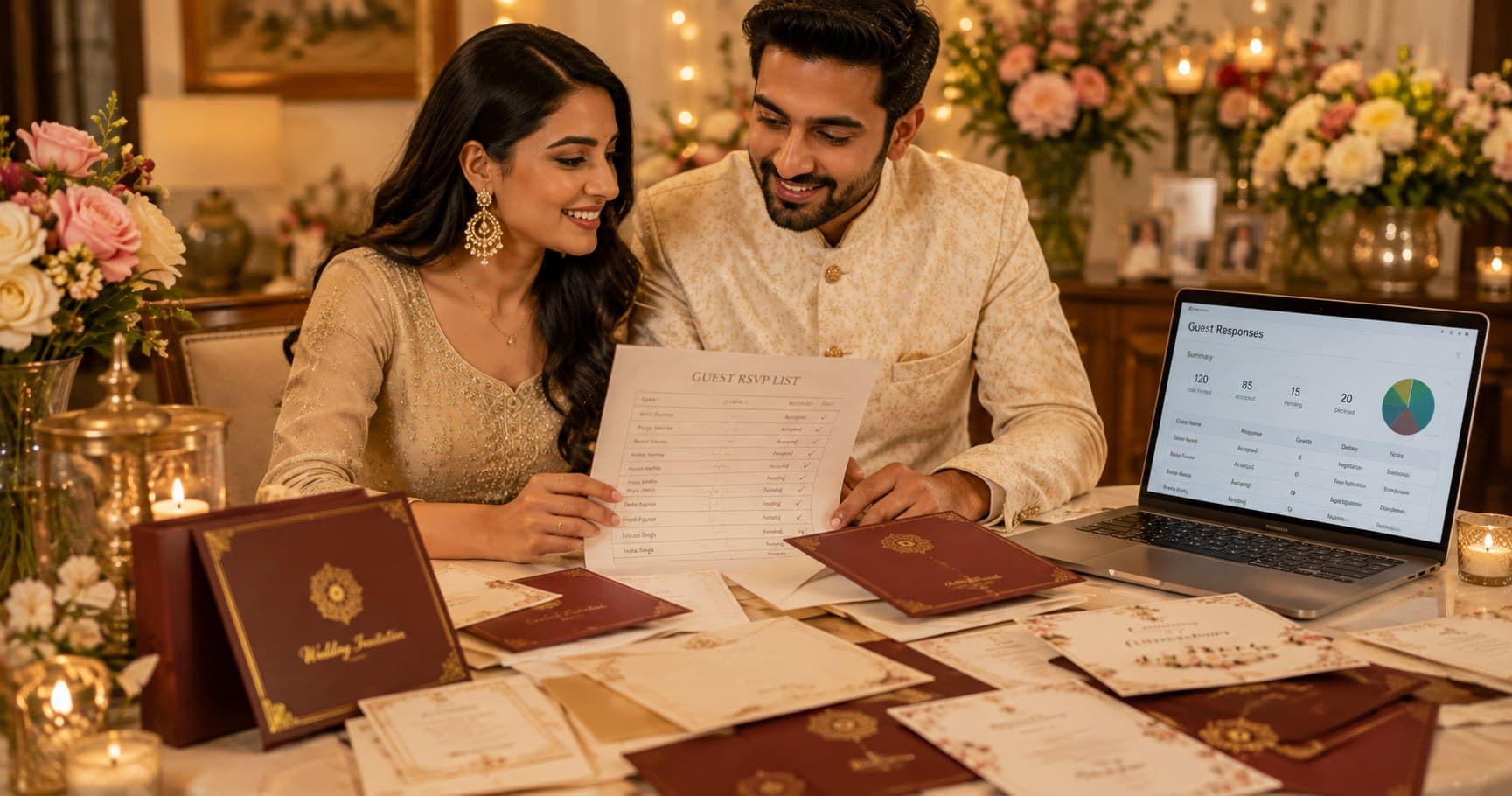
Wedding RSVP Guide: How to Manage Guest Responses Easily
A well-organized RSVP process helps you track guest attendance, plan catering and seating, coordinate transportation and accommodation, and reduce last-minute confusion.
By Ananya Krishnan
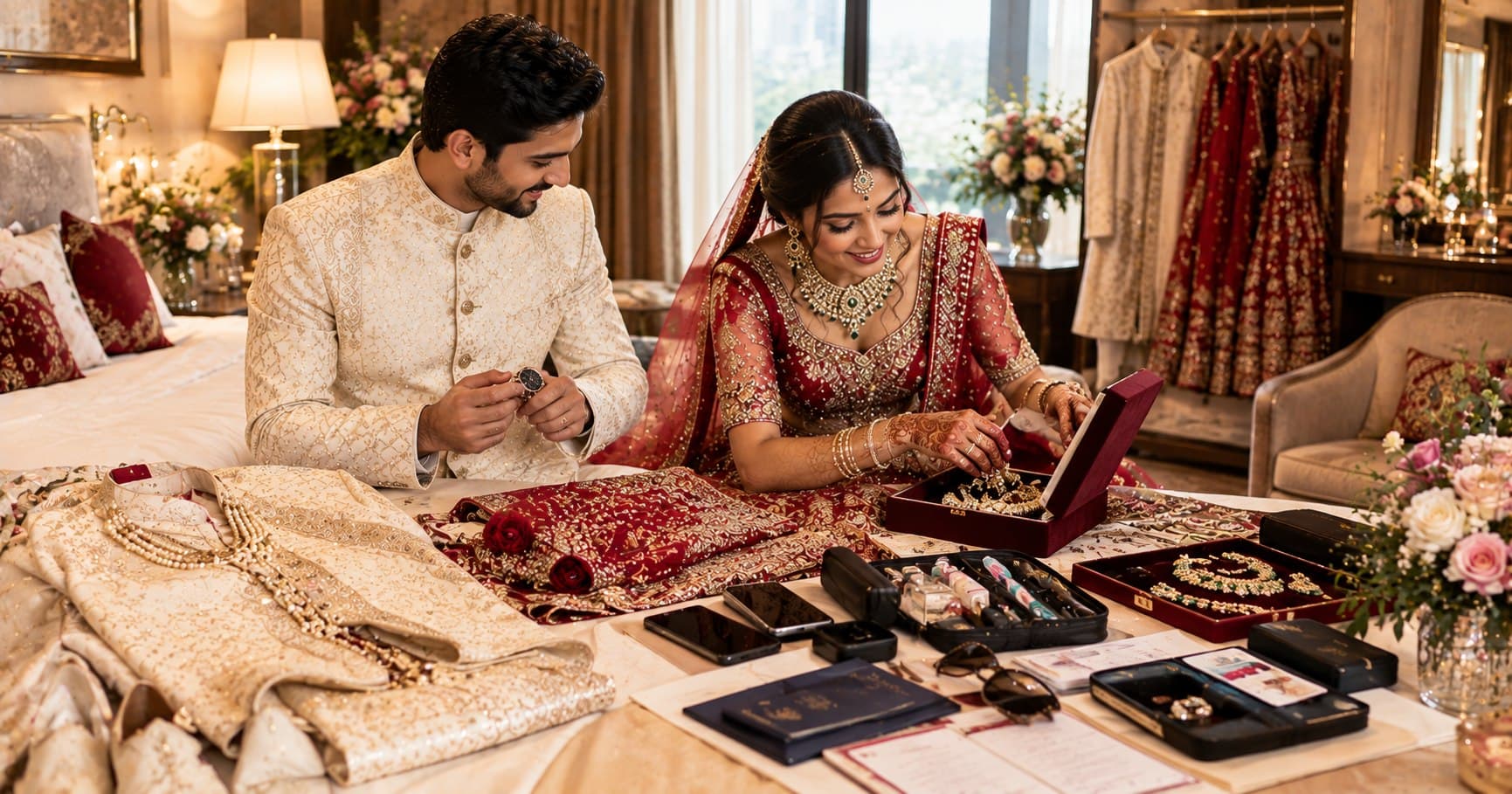
Wedding Day Essentials: Things Every Couple Should Keep Ready
The wedding day can be exciting and busy, with many activities happening throughout the celebration. Preparing a wedding day essentials checklist can help couples stay organized, handle unexpected situations, and enjoy their special day with less stress.
By Ananya Krishnan
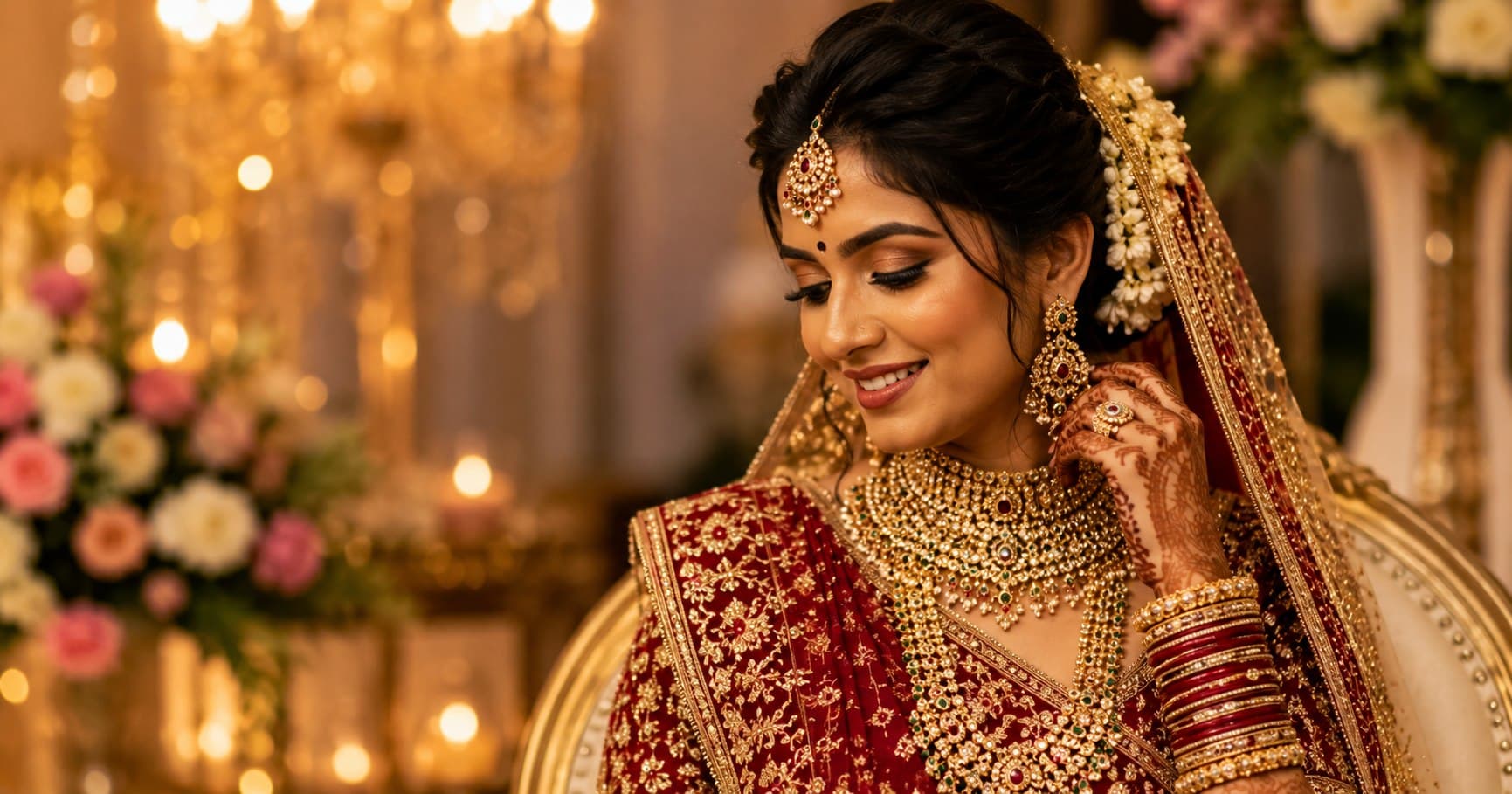
How to Choose the Perfect Wedding Jewelry for Your Bridal Look
Choosing wedding jewelry is an important part of creating a complete bridal look. From traditional Polki and Kundan designs to elegant diamond-inspired pieces, learn how to select jewelry that balances your outfit, style, comfort, and budget.
By Ananya Krishnan