Venues
Wedding RSVP Guide: How to Manage Guest Responses Easily
A practical guide to collecting, tracking and managing wedding guest responses for smoother planning.
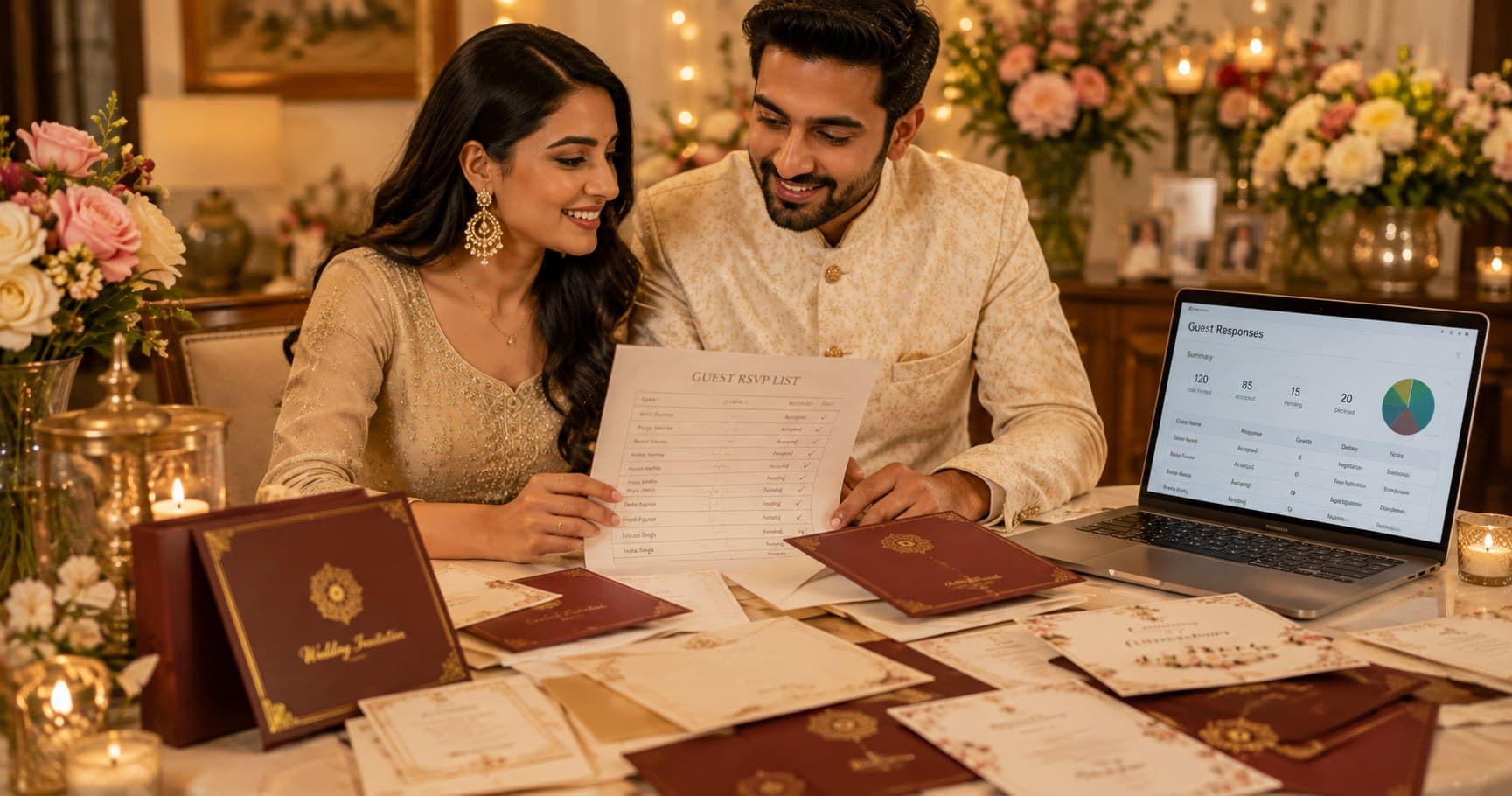
Wedding RSVP Guide: How to Manage Guest Responses Easily
Planning a wedding involves more than choosing the venue, decorations and menu. Knowing who is attending, how many guests are coming and which events they plan to attend is equally important.
A well-organized RSVP process can make guest management much easier. It helps you keep track of responses, plan seating and catering, coordinate transportation and prepare accommodation arrangements.
Whether you are managing a small celebration or a large wedding, having a clear RSVP system can save time and reduce last-minute confusion.
Why Wedding RSVP Management Matters
RSVP management gives you a clearer idea of your final guest count before the wedding.
Accurate responses can help with:
Catering arrangements
Seating plans
Guest accommodation
Transportation
Wedding stationery
Event scheduling
Welcome kits
Overall guest coordination
Instead of repeatedly contacting every guest, an organized RSVP process allows you to keep all responses in one place.
1. Decide How You Will Collect RSVPs
Start by choosing the RSVP method that works best for your guests.
You can use:
Digital RSVP forms
Wedding websites
RSVP links
Messaging platforms
Email
Printed RSVP cards
For many modern celebrations, digital RSVPs can make collecting and organizing responses easier.
Choose a method that your guests can understand and access without difficulty.
2. Include Important RSVP Questions
Your RSVP should collect the information you actually need.
Useful questions can include:
Guest name
Attending or not attending
Number of guests
Which functions they will attend
Meal preferences
Accommodation requirement
Transportation requirement
Special requirements
Avoid asking too many unnecessary questions. A simple RSVP form is more likely to receive quick responses.
3. Set an RSVP Deadline
Give guests a clear date by which they should respond.
The deadline should give you enough time to finalize:
Catering numbers
Seating arrangements
Accommodation
Transportation
Welcome kits
Event planning
Mention the deadline clearly in the invitation and, if necessary, send a reminder before the final date.
4. Make the RSVP Process Simple
Guests should be able to respond without confusion.
If you are using a digital RSVP, make sure the process is easy to follow.
Step 1: Open the RSVP link
Step 2: Enter guest details
Step 3: Select attending or not attending
Step 4: Provide additional information
Step 5: Submit the response
A straightforward process can encourage more guests to respond on time.
5. Track Responses in One Place
Keeping responses organized is essential.
Create a guest list that records each response.
Guest Response Guests Accommodation Transport
Guest 1 Attending 2 Yes Yes
Guest 2 Not Attending 0 No No
Guest 3 Attending 1 Yes No
Keeping information together makes it easier to plan the rest of the wedding.
6. Separate Confirmed and Pending Responses
Not every guest will respond immediately.
Divide your guest list into categories such as:
Attending
Not attending
Pending
Need follow-up
This makes it easier to identify which guests still need to respond.
Do not assume that guests who have not responded are attending.
7. Send Friendly RSVP Reminders
Some guests may forget to respond even after receiving the invitation.
A friendly reminder can help.
Keep the message short and polite.
Example:
“We hope you can join us for our special celebration. Please confirm your attendance by the RSVP date so we can make the necessary arrangements.”
Avoid sending too many reminders. One or two well-timed messages are usually enough.
8. Track Responses for Different Wedding Functions
If your wedding includes several events, track attendance for each function separately.
Guest Response Guests Accommodation Transport
Guest 1 Yes Yes No Yes
Guest 2 Yes Yes Yes No
Guest 3 No Yes No No
This information can be especially useful when different functions have different guest lists.
9. Use RSVP Information for Catering
The final guest count is important for catering arrangements.
RSVP information can help you estimate:
Number of meals
Vegetarian requirements
Dietary preferences
Special meal requests
Function-specific guest numbers
However, leave some reasonable flexibility because final attendance can change.
10. Connect RSVP With Accommodation and Transportation
RSVP management can also support guest logistics.
Guests can indicate whether they require:
Accommodation
Airport or station transfers
Guest shuttles
Transportation between venues
This allows you to combine RSVP information with your accommodation and transportation plans instead of managing them separately.
11. Handle Changes After Guests Respond
Guest plans can change after an RSVP has been submitted.
A guest may:
Change from attending to not attending
Add another guest
Change their accommodation requirement
Request transportation
Change which functions they will attend
Keep the RSVP list updated whenever changes occur.
Use the latest confirmed information when finalizing wedding arrangements.
12. Keep Guest Information Private and Organized
Guest information should be handled carefully.
RSVP data may contain personal details such as:
Names
Contact information
Travel details
Accommodation requirements
Dietary preferences
Only share necessary information with the people responsible for specific wedding arrangements.
Keep your guest list organized and avoid unnecessary duplication of guest information.
13. Prepare the Final Guest Count
As the RSVP deadline approaches, review all responses.
Check:
Total confirmed guests
Total declined guests
Pending responses
Function-wise attendance
Accommodation requirements
Transportation requirements
Dietary requirements
Contact guests with pending responses if their confirmation is important for final planning.
14. Keep a Final RSVP List for the Wedding Team
Once responses are finalized, prepare a clean guest list for the people coordinating the wedding.
Depending on the requirements, this can help with:
Guest reception
Seating
Accommodation
Transportation
Catering
Welcome kits
Having one updated version of the guest list can prevent different teams from working with outdated information.
Questions to Ask Before Finalizing Your RSVP System
How will guests submit their RSVP?
What information do I actually need from guests?
What is the RSVP deadline?
How will pending responses be tracked?
Do guests need to confirm attendance for multiple functions?
Do I need accommodation information?
Do I need transportation information?
Are meal or dietary preferences required?
How will RSVP changes be updated?
Who will manage the final guest list?
Wedding RSVP Checklist
RSVP method selected
Guest list prepared
RSVP questions finalized
RSVP deadline decided
RSVP link or cards prepared
Responses tracked
Attending guests separated from pending responses
RSVP reminders sent when necessary
Function-wise attendance recorded
Catering requirements reviewed
Accommodation requirements reviewed
Transportation requirements reviewed
Guest changes updated
Final guest count confirmed
Final guest list shared with the relevant wedding team
Final Thoughts
Effective RSVP management can make wedding planning much easier. By choosing a simple response method, collecting the right information, setting a clear deadline and keeping the guest list updated, you can reduce confusion and make better decisions about catering, seating, accommodation and transportation.
Start your RSVP process early and keep all responses organized in one place. A clear and well-managed RSVP system allows you to focus less on chasing guest responses and more on creating a memorable celebration.
Planner Kart — Plan Better. Celebrate Beautifully.
Related Articles
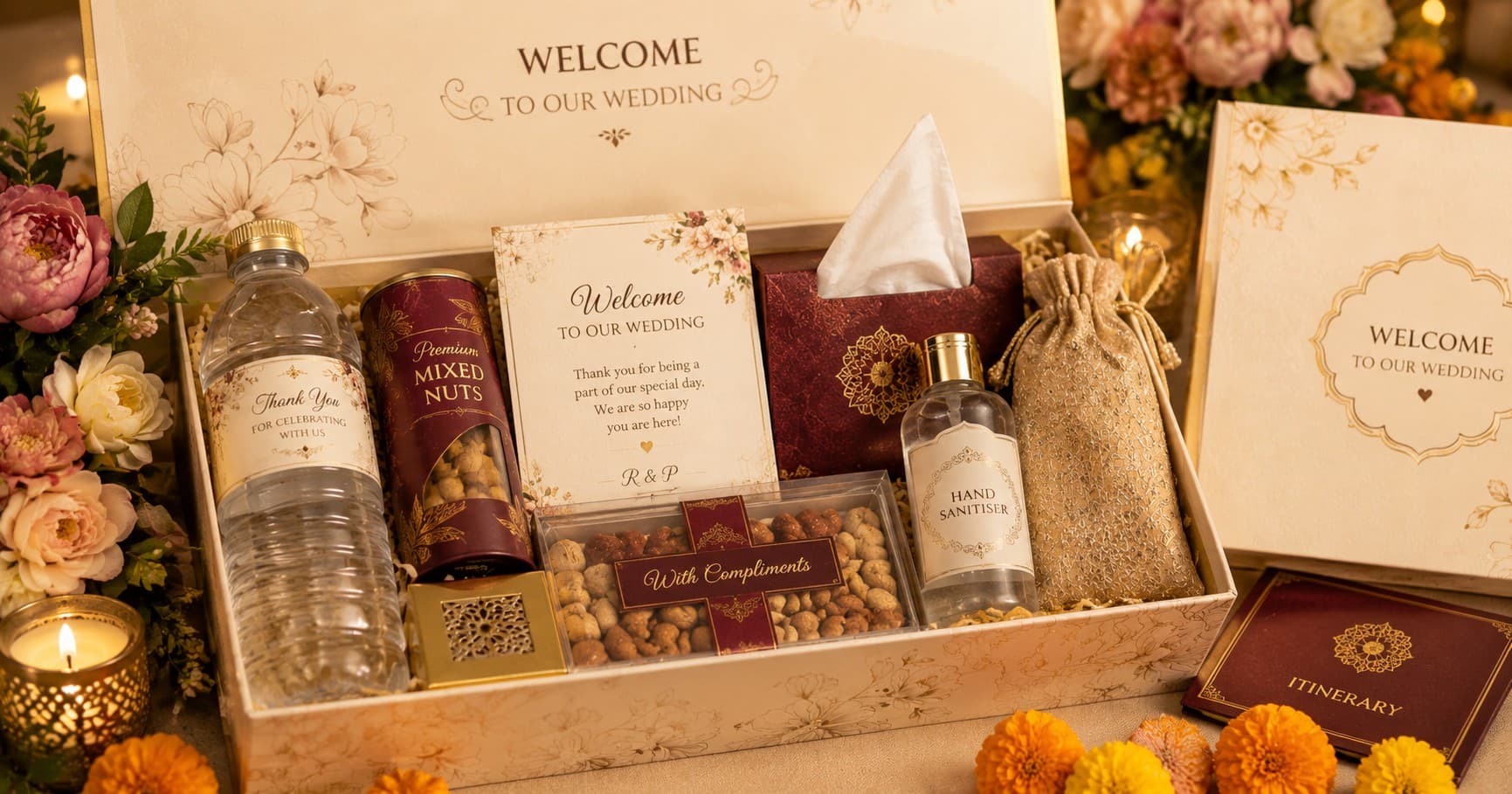
Wedding Welcome Kit Ideas to Make Your Guests Feel Special
A wedding welcome kit is a thoughtful way to make guests feel comfortable and appreciated from the moment they arrive. It can combine useful essentials, personalized touches and details that reflect the celebration.
By Ananya Krishnan
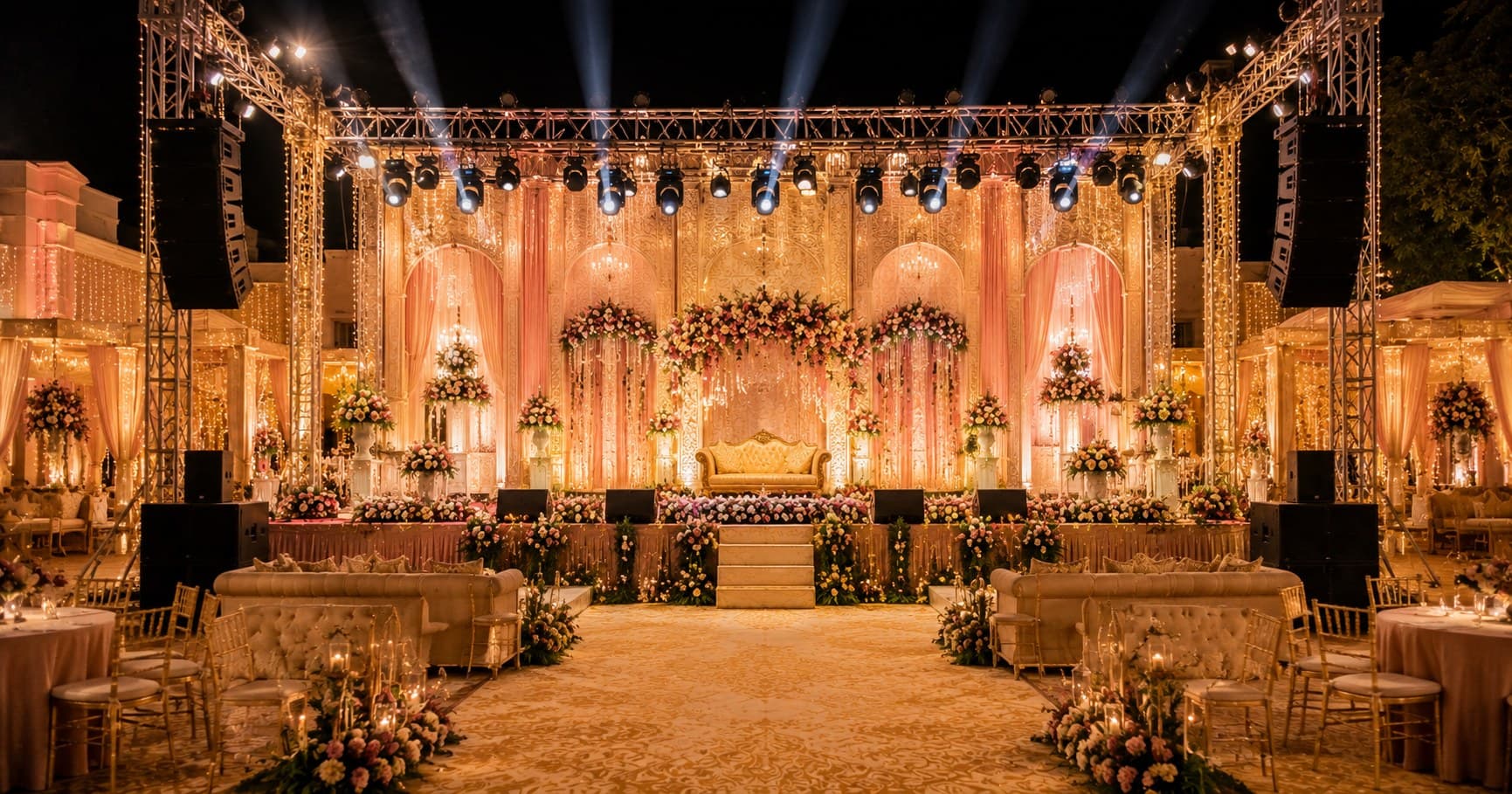
Wedding Lighting and Sound Guide for a Memorable Celebration
Wedding lighting and sound play an important role in creating the right atmosphere and guest experience. From stage lighting and venue highlights to speakers, microphones, LED walls, and backup equipment, thoughtful planning helps ensure the celebration looks beautiful and sounds clear.
By Ananya Krishnan
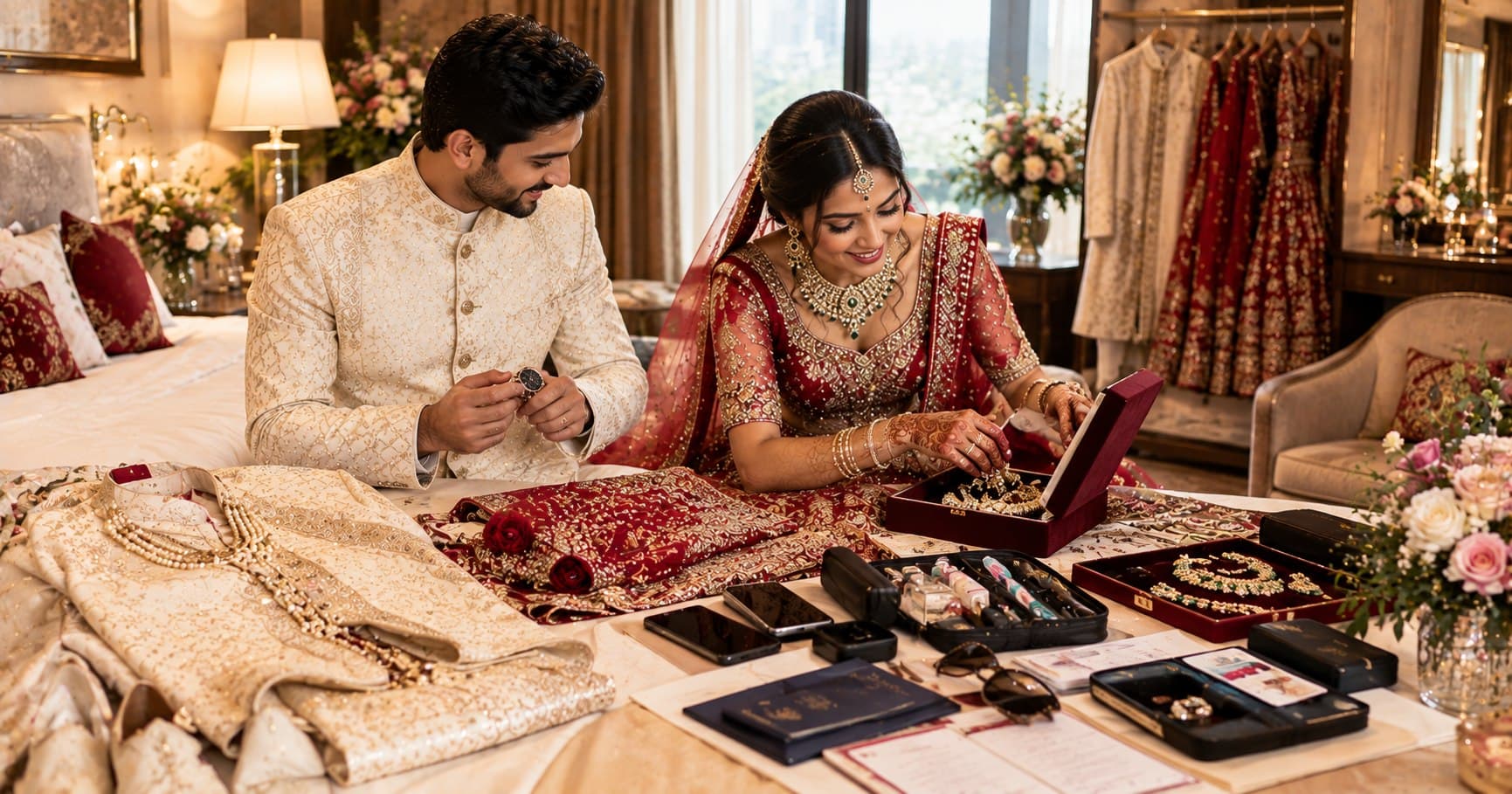
Wedding Day Essentials: Things Every Couple Should Keep Ready
The wedding day can be exciting and busy, with many activities happening throughout the celebration. Preparing a wedding day essentials checklist can help couples stay organized, handle unexpected situations, and enjoy their special day with less stress.
By Ananya Krishnan

How to Choose the Perfect Wedding Jewelry for Your Bridal Look
Choosing wedding jewelry is an important part of creating a complete bridal look. From traditional Polki and Kundan designs to elegant diamond-inspired pieces, learn how to select jewelry that balances your outfit, style, comfort, and budget.
By Ananya Krishnan