Venues
Wedding Guest Accommodation Guide: How to Plan a Comfortable Stay for Guests
How to organize comfortable accommodation, room assignments, check-ins and essential guest arrangements for a smooth wedding experience.

Wedding Guest Accommodation Guide: How to Plan a Comfortable Stay for Guests
Wedding accommodation is an important part of planning a comfortable celebration, especially when guests are travelling from different places.
Providing a convenient and well-organized place to stay can make guests feel welcomed and allow them to enjoy the wedding without worrying about travel arrangements.
From selecting suitable accommodation to organizing room assignments, check-ins and guest communication, every detail can make a difference.
This guide explains how to plan comfortable accommodation for wedding guests while keeping the arrangements organized.
Why Wedding Guest Accommodation Matters
When guests stay overnight for a wedding, their experience extends beyond the main celebration. Comfortable accommodation can make it easier for them to attend different functions, rest between events and enjoy the wedding.
Good accommodation planning can help with:
Guest comfort
Easier transportation
Smooth check-in and check-out
Better coordination
Convenient access to wedding venues
A more welcoming guest experience
1. Estimate How Many Guests Need Accommodation
Start by identifying which guests require a place to stay.
Consider:
Number of out-of-town guests
Number of family members
Couples
Families with children
Elderly guests
Guests staying for multiple nights
Create a guest accommodation list so you have a clear idea of how many rooms are required.
Avoid estimating only from the total guest count. Some guests may arrange their own accommodation or stay with family.
2. Choose Accommodation Near the Wedding Venue
Location is one of the most important factors when selecting accommodation.
Ideally, guests should have convenient access to the wedding venue and other important event locations.
A suitable accommodation option can reduce:
Travel time
Transportation requirements
Guest confusion
Delays before functions
When comparing properties, consider the distance to each major wedding venue rather than looking at only one function location.
3. Choose Accommodation Based on Guest Needs
Different guests may have different accommodation requirements.
For example:
Couples may prefer private rooms
Families may need larger rooms
Elderly guests may benefit from easily accessible rooms
Guests travelling alone may need smaller room options
Families with children may need additional space
Understanding these requirements before booking can make room allocation easier.
4. Decide How Many Nights Guests Need
Not every guest will need the same number of nights.
Some guests may arrive before the wedding and stay for several days, while others may arrive just before the main celebration.
Create a simple schedule showing:
Arrival date
Check-in date
Wedding functions
Departure date
Check-out date
This helps you book the right number of rooms for the required period.
5. Plan Room Allocation Carefully
Room allocation should be organized before guests arrive.
Create a rooming list that includes:
Guest Room Type Check-In Check-Out
Guest 1 Double Room Day 1 Day 3
Guest 2 Family Room Day 1 Day 3
Guest 3 Single Room Day 2 Day 3
Keep the list updated whenever guests confirm, cancel or change their stay.
6. Consider Guest Comfort and Facilities
When selecting accommodation, consider the facilities that guests may need during their stay.
Useful facilities can include:
Comfortable beds
Clean bathrooms
Wi-Fi
Breakfast options
Parking
Luggage assistance
Accessibility features
Reception or support services
The most important priority is that guests have a clean, comfortable and convenient place to rest between wedding activities.
7. Coordinate Check-In and Check-Out
Check-in can become busy when many wedding guests arrive around the same time.
Share the following information with guests in advance:
Property name
Check-in time
Check-out time
Address
Booking details
Contact person
If a large group is arriving together, coordinate with the accommodation team beforehand to make the process smoother.
8. Arrange Transportation Between Accommodation and Venues
Accommodation and transportation should be planned together.
If the accommodation is not within convenient walking distance of the wedding venue, arrange transportation for guests.
A typical plan might be:
Accommodation → Wedding Venue → Reception Venue → Accommodation
Provide guests with clear transportation schedules so they know when and where to board their vehicle.
9. Prepare Welcome Information for Guests
A simple welcome package or information sheet can help guests understand the wedding arrangements.
You can include:
Wedding schedule
Venue details
Transportation information
Meal timings
Important contact numbers
Check-in information
Check-out information
This reduces the number of questions guests need to ask during the celebration.
10. Consider Elderly Guests and Families
Elderly guests and families with children may have additional accommodation requirements.
When assigning rooms, consider:
Easy access
Floor location
Elevator availability
Room size
Bathroom accessibility
Distance from common areas
Whenever possible, assign convenient rooms to guests who may have difficulty with stairs or long walks.
11. Keep Guest Information Organized
Wedding accommodation involves a lot of information, so keeping everything organized is important.
Maintain an updated list containing:
Guest names
Contact information
Room assignments
Arrival details
Departure details
Special requirements
Transportation arrangements
One organized list can make communication between the wedding team, accommodation team and guests much easier.
12. Plan for Early Arrivals and Late Departures
Guests may arrive before their official check-in time or need to leave after the standard check-out time.
Discuss these possibilities with the accommodation provider in advance.
If early check-in or late check-out is not available, consider alternative arrangements for luggage storage and guest comfort.
Planning for these situations can prevent unnecessary inconvenience.
13. Communicate Important Details Before Arrival
Guests should receive accommodation information before they begin their journey.
A simple message can include:
Accommodation: Property name
Check-in: Date and time
Check-out: Date and time
Room: Room information
Transportation: Pickup details
Contact: Wedding accommodation coordinator
Providing information early allows guests to travel with confidence.
14. Keep a Backup Plan
Unexpected changes can happen during wedding planning.
Guests may:
Change arrival dates
Cancel their stay
Bring an additional family member
Request a different room
Arrive later than expected
Keep some flexibility in your accommodation plan and maintain updated contact information.
A backup accommodation option can also be useful when the guest list changes unexpectedly.
Questions to Ask Before Finalizing Wedding Accommodation
How many guests need accommodation?
How many nights will each guest stay?
Is the accommodation conveniently located?
What room types are required?
Are facilities suitable for families and elderly guests?
Is transportation required between the accommodation and venues?
Have room assignments been finalized?
Have check-in and check-out details been confirmed?
Have guests received their accommodation information?
Is there a backup plan for unexpected changes?
Wedding Guest Accommodation Checklist
Guest accommodation requirements collected
Number of rooms estimated
Accommodation selected
Location checked
Room types confirmed
Number of nights confirmed
Room allocation prepared
Check-in details confirmed
Check-out details confirmed
Transportation planned
Elderly guests and families considered
Welcome information prepared
Guest contact details organized
Accommodation details shared with guests
Backup arrangements considered
Final Thoughts
Planning wedding accommodation is about making guests feel comfortable, welcomed and well looked after throughout the celebration. From choosing a convenient property and assigning suitable rooms to coordinating transportation and communicating important details, every part of the process contributes to a smoother guest experience.
Start planning accommodation early, keep your guest information organized and prepare for possible changes. With thoughtful planning, your guests can relax, enjoy the wedding celebrations and feel truly welcomed.
Planner Kart — Plan Better. Celebrate Beautifully.
Related Articles
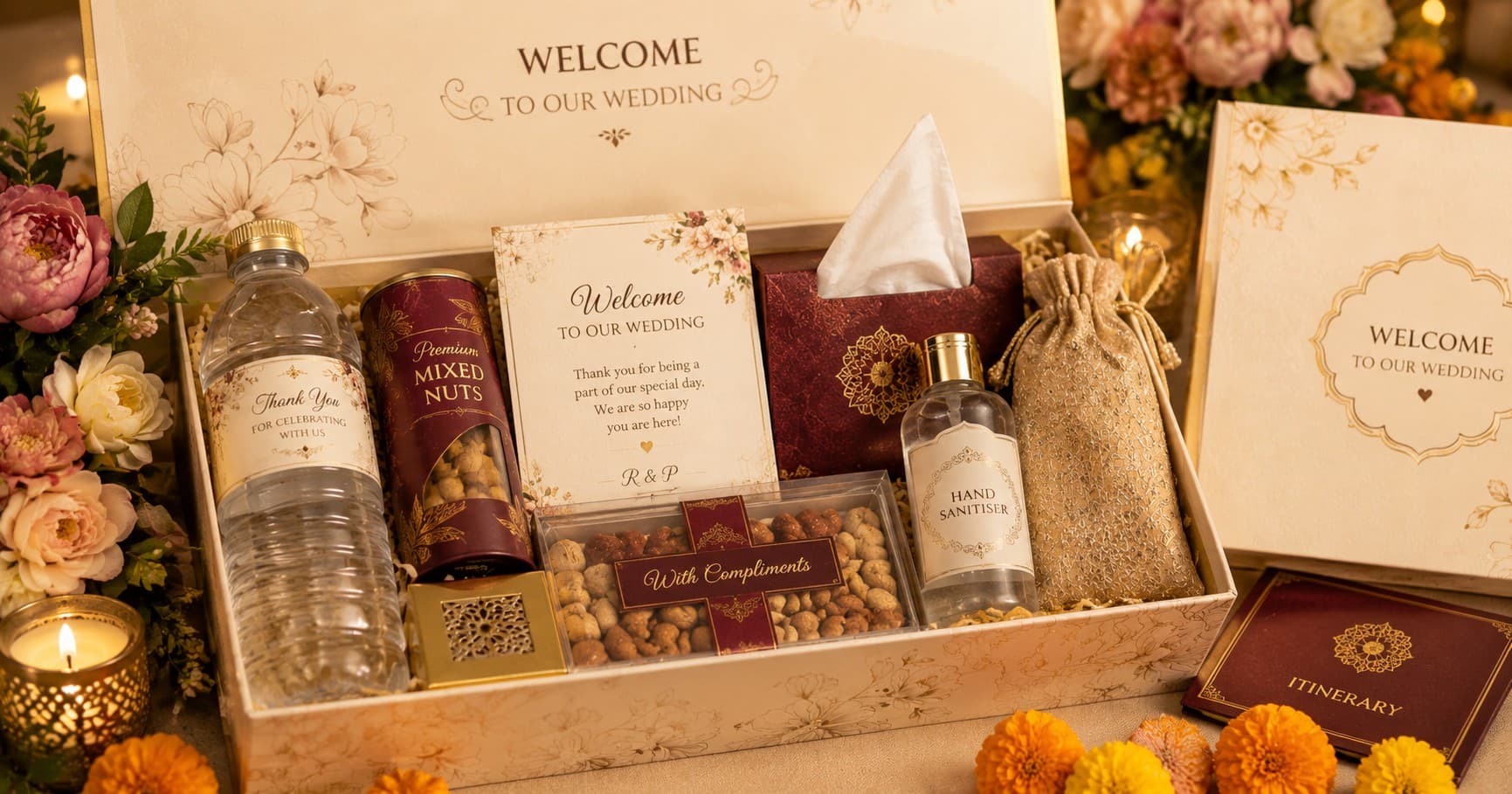
Wedding Welcome Kit Ideas to Make Your Guests Feel Special
A wedding welcome kit is a thoughtful way to make guests feel comfortable and appreciated from the moment they arrive. It can combine useful essentials, personalized touches and details that reflect the celebration.
By Ananya Krishnan
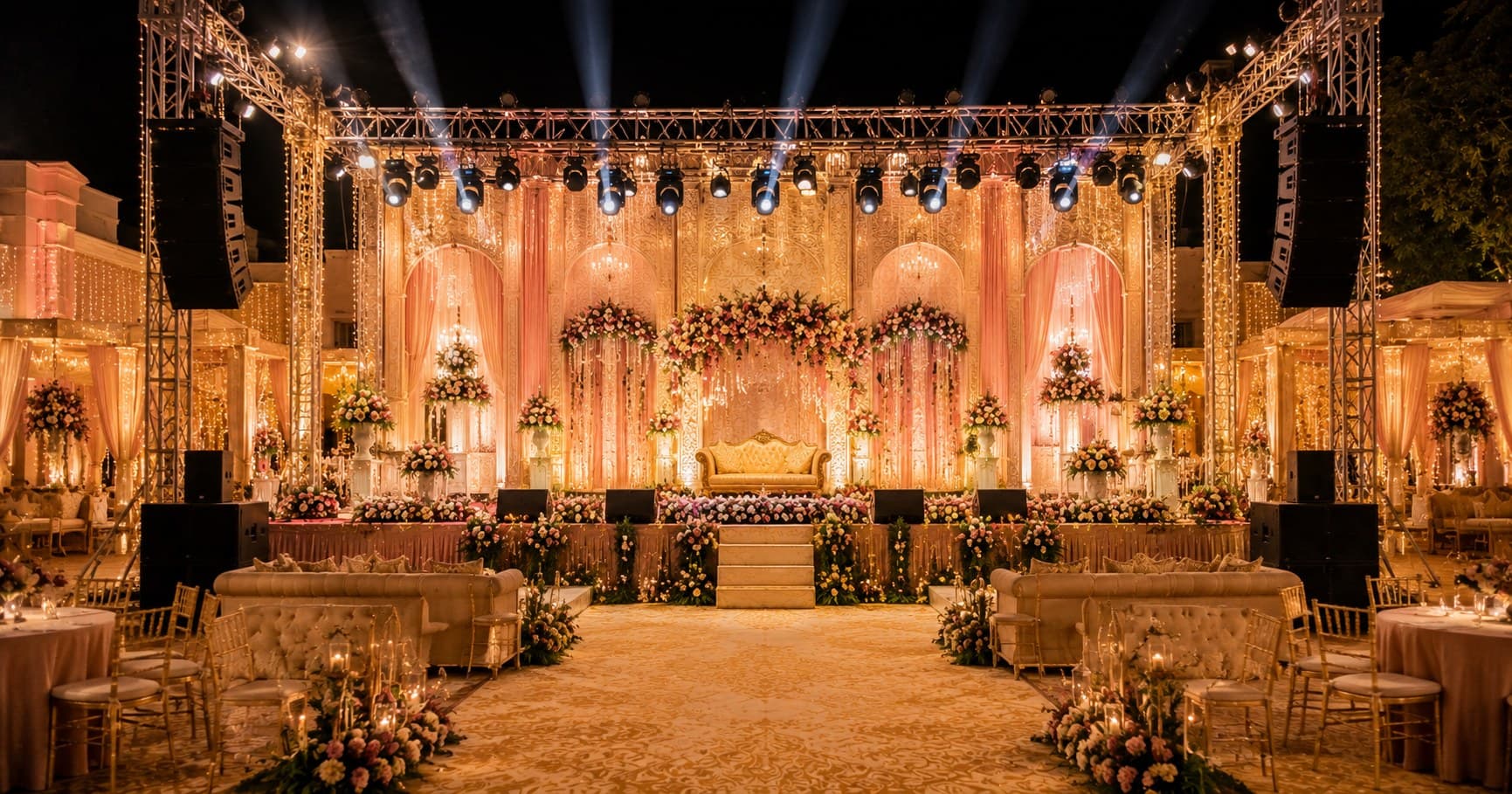
Wedding Lighting and Sound Guide for a Memorable Celebration
Wedding lighting and sound play an important role in creating the right atmosphere and guest experience. From stage lighting and venue highlights to speakers, microphones, LED walls, and backup equipment, thoughtful planning helps ensure the celebration looks beautiful and sounds clear.
By Ananya Krishnan
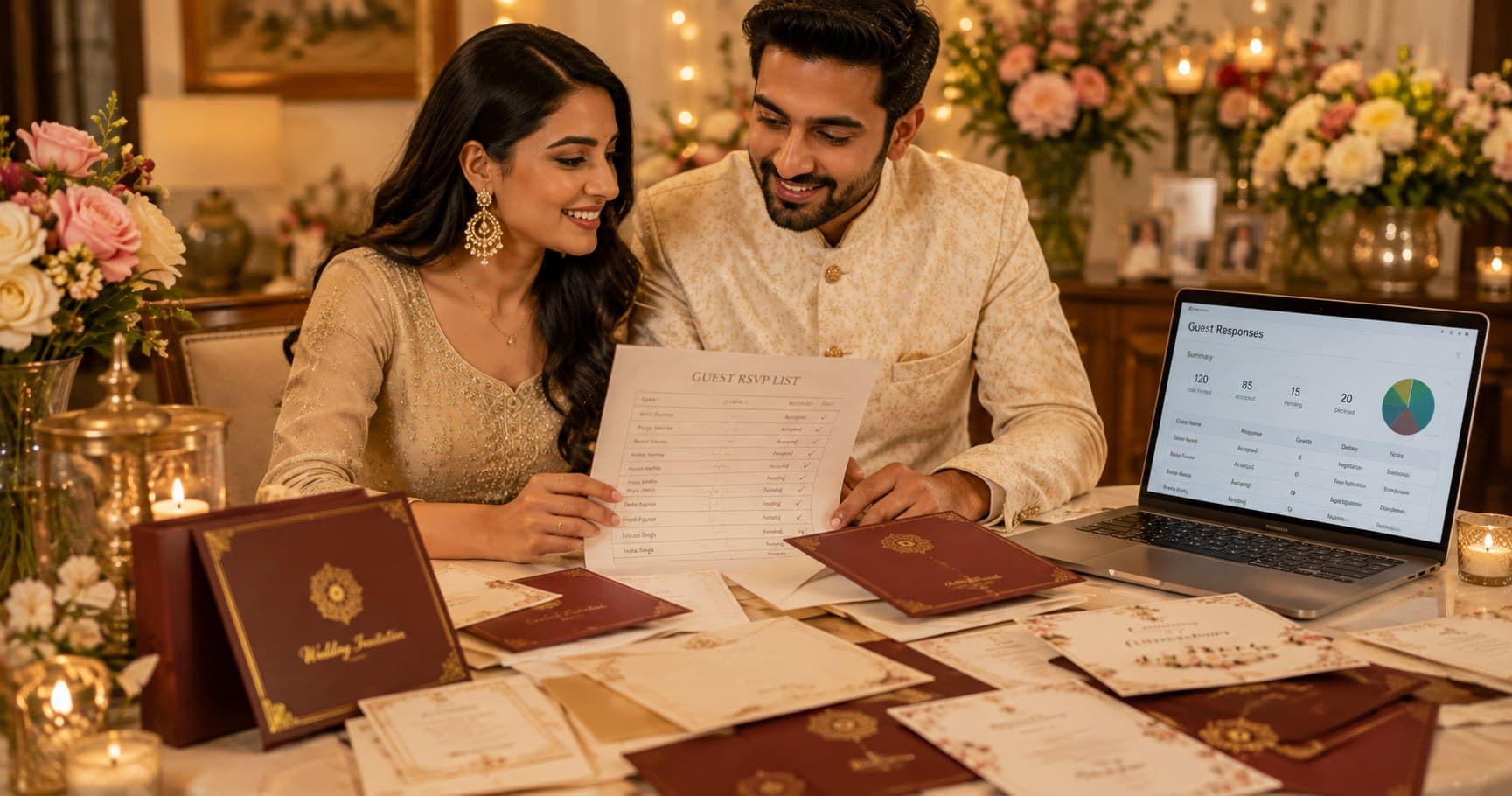
Wedding RSVP Guide: How to Manage Guest Responses Easily
A well-organized RSVP process helps you track guest attendance, plan catering and seating, coordinate transportation and accommodation, and reduce last-minute confusion.
By Ananya Krishnan
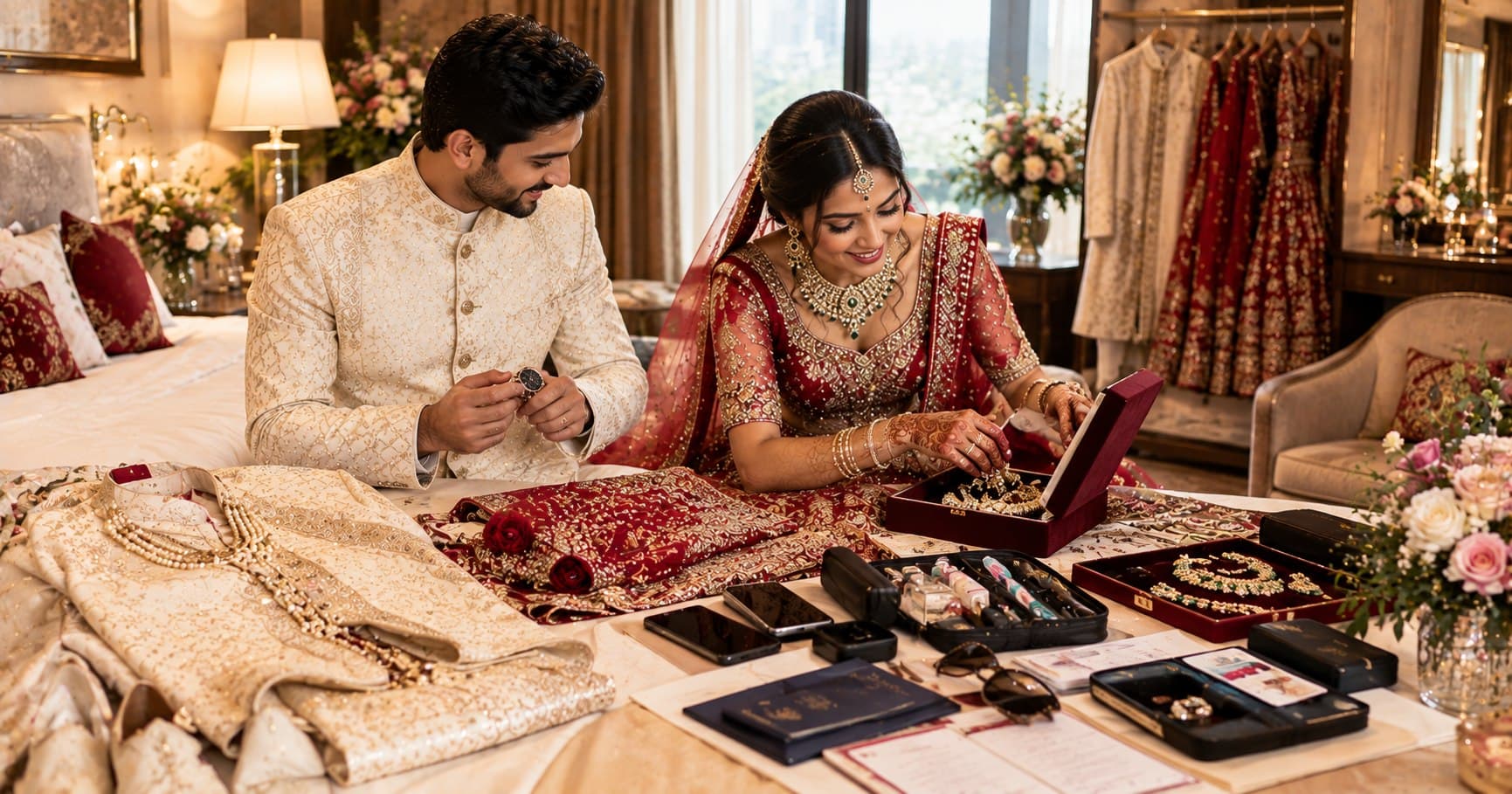
Wedding Day Essentials: Things Every Couple Should Keep Ready
The wedding day can be exciting and busy, with many activities happening throughout the celebration. Preparing a wedding day essentials checklist can help couples stay organized, handle unexpected situations, and enjoy their special day with less stress.
By Ananya Krishnan