Venues
Wedding Security Planning Guide for a Safe and Comfortable Celebration
A practical guide to organizing wedding security, guest access, crowd movement, parking and emergency coordination.
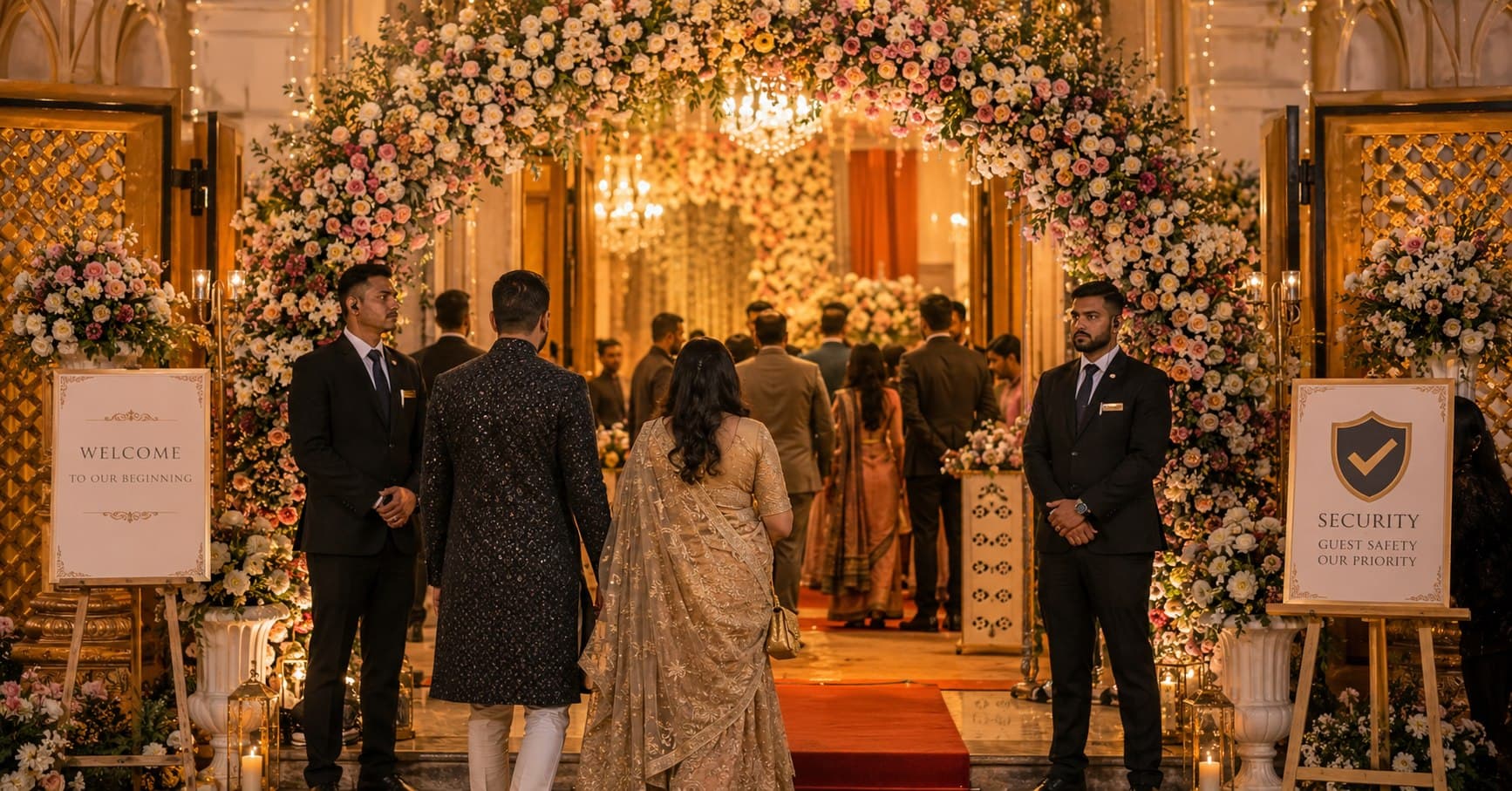
Wedding Security Planning Guide for a Safe and Comfortable Celebration
A wedding is a joyful gathering filled with family, friends, celebrations, food, music, and memorable moments. With many people coming together in one place, planning basic security arrangements can help create a safer and more comfortable experience for everyone.
Wedding security is not only about preventing problems. It is also about managing guest movement, controlling access to important areas, supporting parking arrangements, and ensuring that the celebration runs smoothly without unnecessary interruptions.
Why Wedding Security Matters
A well-organized security plan helps create a comfortable environment for guests while allowing the celebration team to respond quickly if an unexpected situation occurs.
Good security planning can help with:
Managing large crowds
Controlling access to restricted areas
Supporting guests and family members
Organizing parking areas
Protecting important event spaces
Managing unexpected situations
Keeping entrances and exits organized
Providing additional support for VIP guests when required
1. Understand Your Wedding Security Requirements
Start by identifying the specific security needs of your celebration.
Consider:
Number of guests
Number of venues
Event duration
Number of entrances and exits
Parking requirements
Guest arrival arrangements
VIP or special guests
Areas that require restricted access
A small private celebration may require only basic arrangements, while a larger wedding may need a more structured security plan.
2. Manage Guest Entry and Access
The entrance is one of the most important areas to organize.
Security or event staff can help monitor:
Guest entry
Vendor entry
Staff access
Restricted areas
Vehicle movement
Special access requirements
Clear access arrangements can prevent confusion and help maintain an organized flow of people.
3. Plan Venue Access Control
Not every area of a wedding venue needs to be accessible to everyone.
Certain areas may need controlled access, such as:
Bridal preparation areas
Storage rooms
Equipment areas
Catering preparation spaces
Vendor-only areas
Staff areas
Clearly identifying these areas can help prevent unnecessary movement and protect important event arrangements.
4. Organize Crowd Management
Large celebrations can become busy around popular areas such as the stage, entrance, dining area, and entertainment space.
Crowd management can help maintain comfortable movement by:
Keeping walkways clear
Managing queues
Preventing overcrowding
Guiding guests between areas
Monitoring busy locations
The objective is to keep the celebration comfortable without making guests feel restricted.
5. Arrange Parking Marshals
Parking can become challenging when many guests arrive at the same time.
Parking marshals can help:
Direct vehicles
Organize parking spaces
Keep entrances clear
Guide guests toward the venue
Manage vehicle movement
Assist during busy arrival and departure periods
A clear parking arrangement can make the first and last part of the guest experience much smoother.
6. Consider VIP and Special Guest Requirements
Some celebrations may include important family members, special guests, or other VIP attendees who require additional privacy or assistance.
Depending on the event requirements, additional security support may be considered for:
VIP arrivals
Dedicated access areas
Private spaces
Movement between locations
Departure arrangements
These arrangements should be planned discreetly so that they support the guest without affecting the welcoming atmosphere.
7. Coordinate With the Venue Team
Security planning should be coordinated with the venue management team.
Discuss:
Venue entry and exit points
Emergency exits
Parking areas
Restricted areas
Security responsibilities
Vendor access
Event timings
Knowing the venue layout in advance makes it easier to identify areas that need additional attention.
8. Coordinate With Vendors and Event Staff
Wedding vendors may arrive before guests and may need access to different parts of the venue.
Security and event staff should know which vendors are expected and where they need to go.
This can help manage:
Decorator access
Photography and videography teams
Catering staff
Entertainment teams
Transportation providers
Equipment deliveries
Clear communication reduces unnecessary confusion at the venue entrance.
9. Keep Emergency Information Accessible
Security planning should also include basic emergency preparation.
Make sure the responsible event team knows:
Emergency exits
Venue contacts details
Emergency service contacts
First-aid arrangements
Important staff contacts
Meeting or gathering points, where applicable
The goal is to make sure the team knows what to do if an unexpected situation occurs.
10. Protect Personal Belongings and Important Areas
Wedding celebrations can involve valuable personal belongings, gifts, equipment, and event materials.
Consider whether specific areas need controlled access for:
Gift storage
Personal belongings
Event equipment
Important documents
Vendor equipment
Keeping these areas organized and monitored can reduce unnecessary problems during a busy celebration.
11. Maintain Clear Communication
Communication between security personnel, venue staff, planners, and family members is important.
Before the celebration, establish:
Who is responsible for security
Who manages parking
Who contacts the venue team
Who handles unexpected situations
Who communicates with vendors
Who coordinates with the couple or family
A simple communication structure helps prevent delays and confusion.
12. Plan Security for Different Wedding Functions
If the wedding includes multiple functions, security requirements may change throughout the celebration.
Ceremony:
Focus on guest entry, venue access, and crowd movement.
Reception:
Pay attention to entrances, parking, guest movement, and busy areas.
Outdoor Function:
Consider open access points, parking, lighting, and movement between spaces.
Review security requirements for each function rather than using exactly the same arrangement for every event.
13. Make Security Comfortable for Guests
Security should provide reassurance without making the celebration feel overly restrictive.
Security personnel should ideally be:
Professional
Polite
Clearly identifiable
Helpful when guests need assistance
Familiar with the venue and event schedule
A welcoming approach allows security to remain effective while maintaining a positive guest experience.
14. Prepare a Backup Plan
Even with careful planning, unexpected situations can happen.
Prepare basic alternatives for situations such as:
Sudden crowd increases
Parking congestion
Vendor delays
Changes to venue access
Unexpected guest requirements
Transportation disruptions
Discuss these possibilities with the event coordinator and venue team before the celebration.
Questions to Ask Before Finalizing Wedding Security
Before confirming your security arrangements, consider:
How many guests are expected?
How many entrances and exits does the venue have?
Which areas require restricted access?
Will parking need dedicated marshals?
Are there VIP or special guests?
Are multiple wedding functions being held?
Which vendors require early venue access?
Who will coordinate with security personnel?
Are emergency exits clearly understood?
What is the backup plan for unexpected situations?
Wedding Security Planning Checklist
Use this checklist before the celebration:
Estimate the number of guests
Identify all venue entrances and exits
Review restricted areas
Plan guest access
Arrange crowd management if required
Arrange parking marshals if needed
Identify VIP or special guest requirements
Coordinate with venue management
Share vendor access information
Review emergency exits
Keep important contact information accessible
Identify areas requiring additional monitoring
Establish a clear communication structure
Review security requirements for each function
Prepare a backup plan
Final Thoughts
Wedding security is an important part of creating a safe, organized, and comfortable celebration. By planning guest access, crowd movement, parking, restricted areas, vendor entry, and communication in advance, you can reduce unnecessary confusion and help the event run smoothly.
The best security plan is one that works quietly in the background while guests enjoy the celebration. With thoughtful preparation and clear coordination, everyone can feel comfortable, welcomed, and confident throughout the event.
Planner Kart — Plan Better. Celebrate Beautifully.
Related Articles
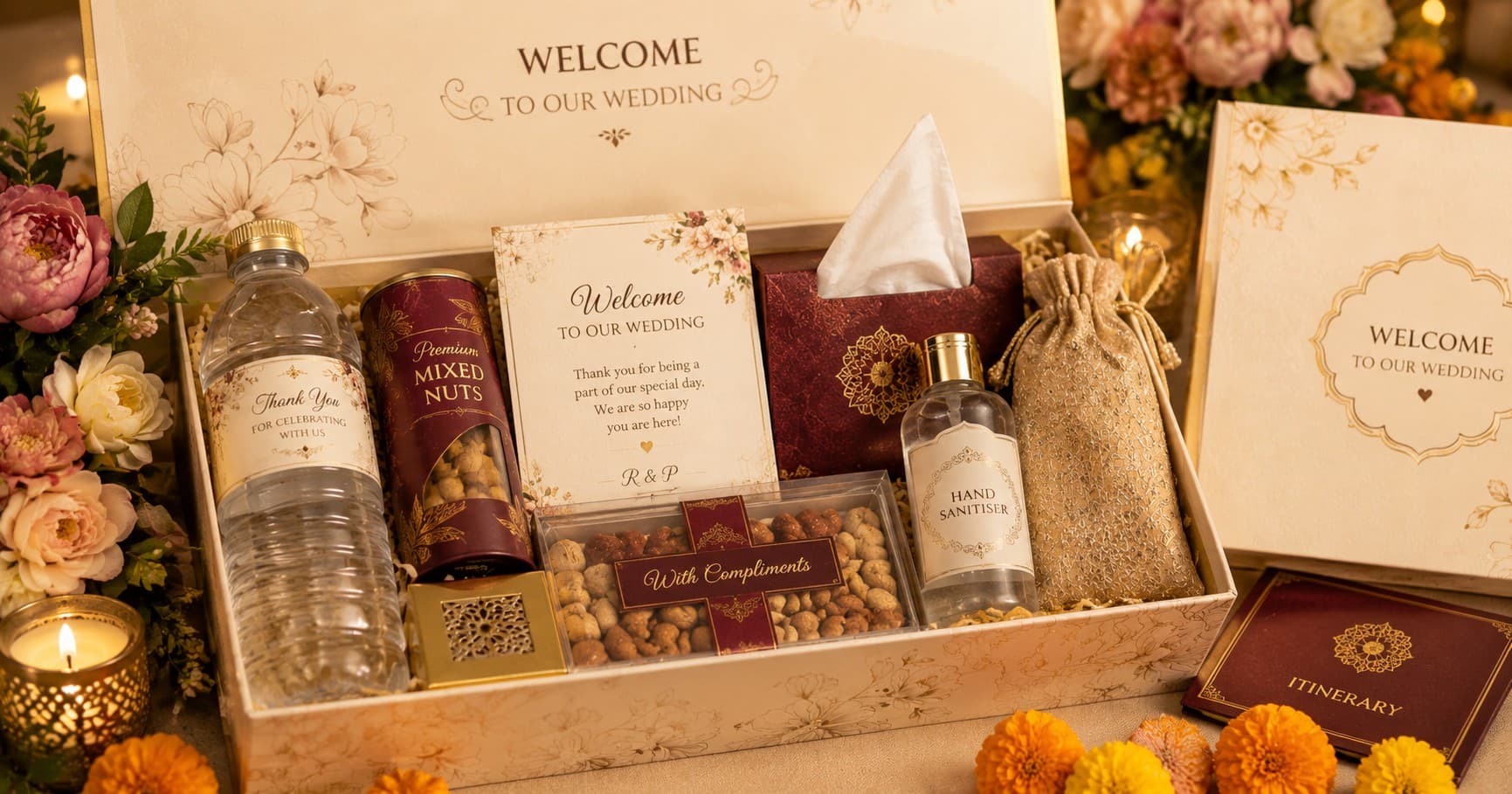
Wedding Welcome Kit Ideas to Make Your Guests Feel Special
A wedding welcome kit is a thoughtful way to make guests feel comfortable and appreciated from the moment they arrive. It can combine useful essentials, personalized touches and details that reflect the celebration.
By Ananya Krishnan
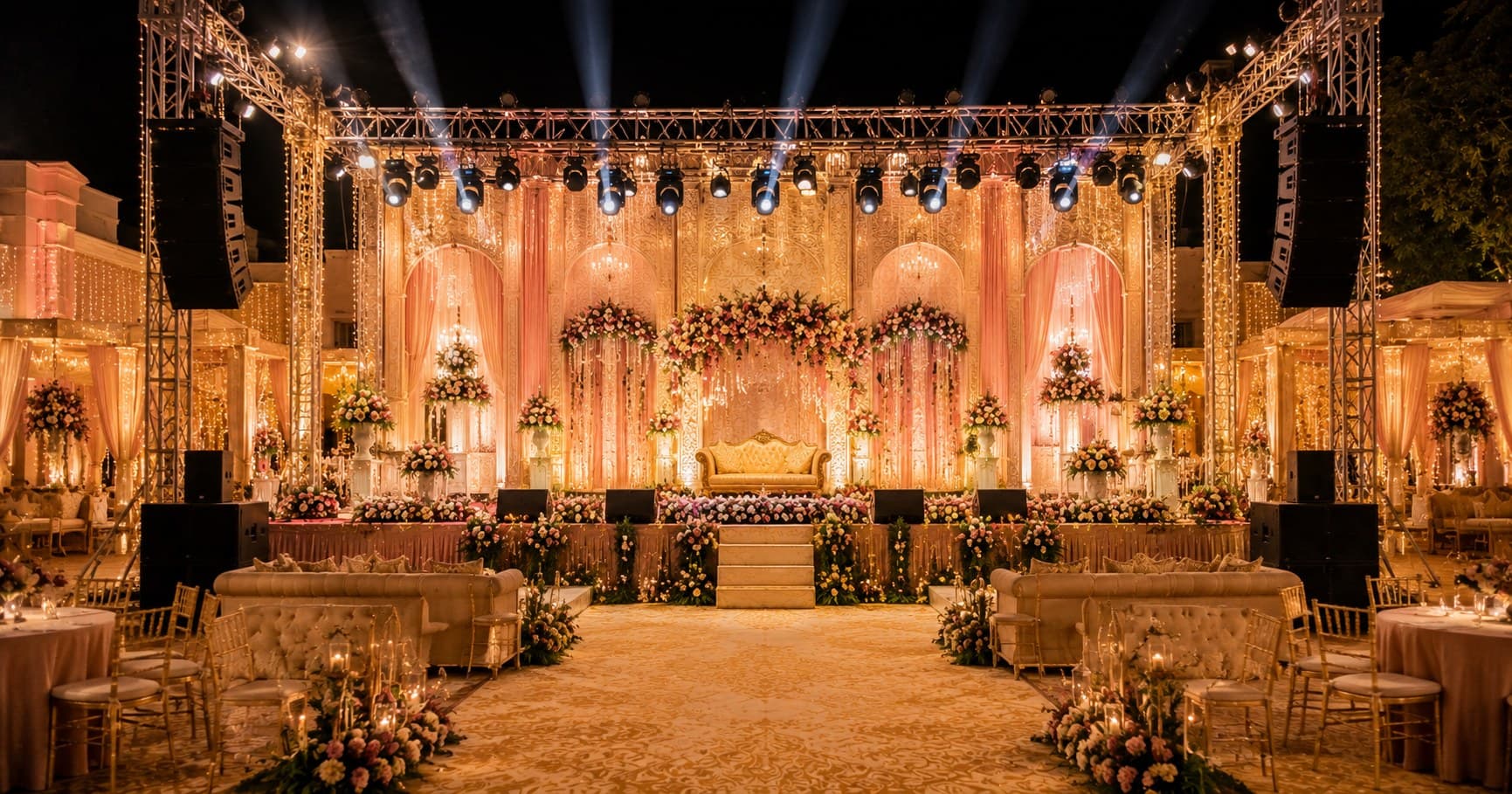
Wedding Lighting and Sound Guide for a Memorable Celebration
Wedding lighting and sound play an important role in creating the right atmosphere and guest experience. From stage lighting and venue highlights to speakers, microphones, LED walls, and backup equipment, thoughtful planning helps ensure the celebration looks beautiful and sounds clear.
By Ananya Krishnan
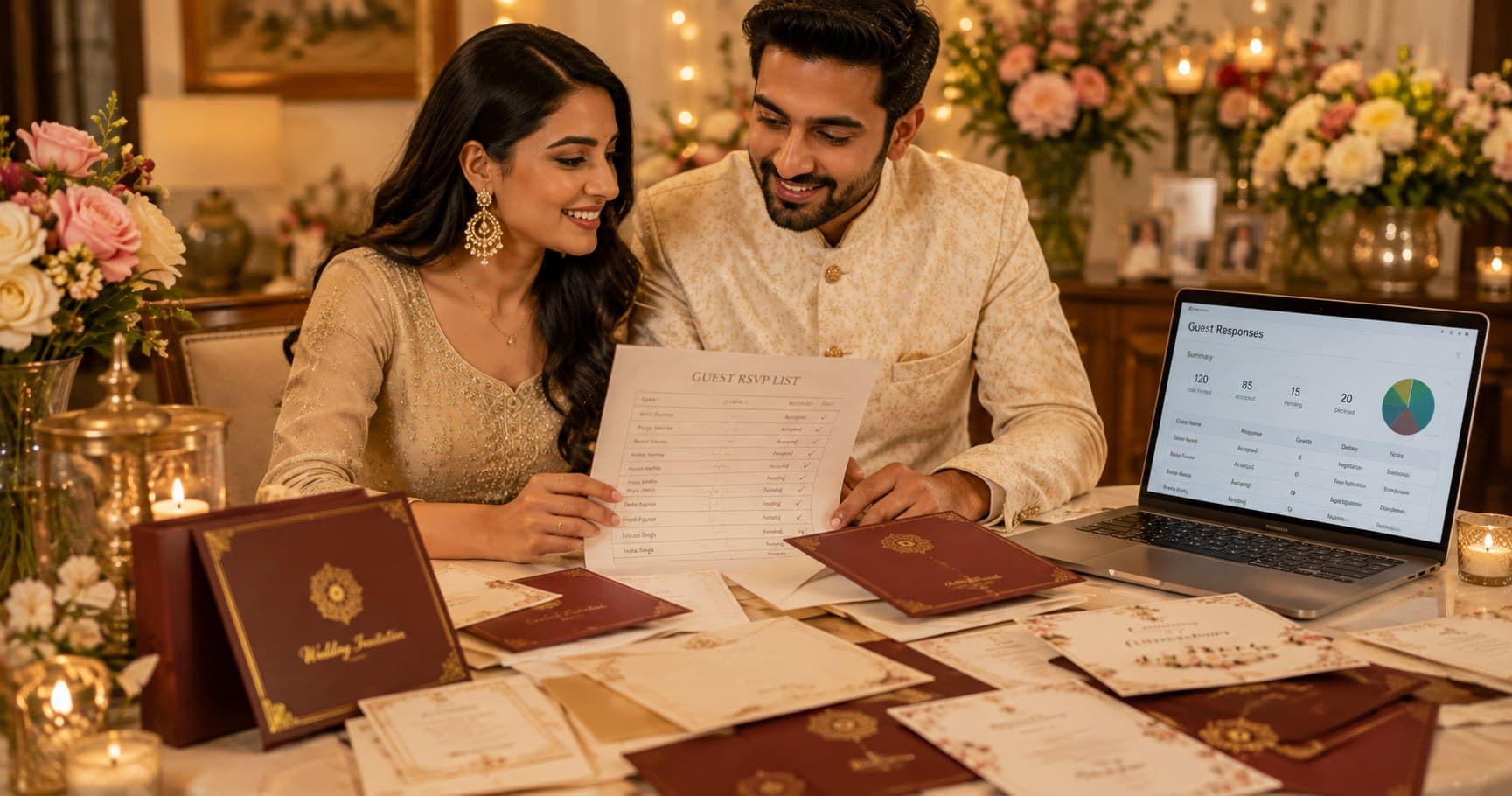
Wedding RSVP Guide: How to Manage Guest Responses Easily
A well-organized RSVP process helps you track guest attendance, plan catering and seating, coordinate transportation and accommodation, and reduce last-minute confusion.
By Ananya Krishnan
Wedding Day Essentials: Things Every Couple Should Keep Ready
The wedding day can be exciting and busy, with many activities happening throughout the celebration. Preparing a wedding day essentials checklist can help couples stay organized, handle unexpected situations, and enjoy their special day with less stress.
By Ananya Krishnan